
As a non-U.S. citizen, you can still purchase property in Nashville if you budget accordingly, finance the purchase, choose the right property, and conduct due diligence. The purchase will require various legal documents that are not required for a domestic purchase. Preparation is therefore essential before making an offer.
Firstly, determine your property aspirations and the costs associated with such a purchase. Secondly, familiarize yourself with the Nashville neighborhoods, taxes, insurances, cost of maintenance, and rental income possibilities. Finally, financing is something that must be considered as soon as possible. There are numerous mortgage options available to international buyers.
Now that you know your options, America Mortgages can assist you in financing your property purchase. To begin with, assess your situation, finances, and financing requirements.
Can Non-U.S. Residents Buy Property in Nashville?
Yes, it is possible for a non-U.S. resident to buy property in Nashville. There is no general restriction in Tennessee law on foreign property ownership. However, some limitations are placed on prohibited foreign parties and entities.
| Factor | What Buyers Should Know |
| U.S. residency | Living outside the country does not automatically prevent property ownership |
| Citizenship | U.S. citizenship is not generally required to purchase real property |
| Foreign-party restrictions | Certain prohibited foreign parties face ownership limitations |
| Property ownership | Tennessee law permits qualifying foreign individuals to hold real property |
| Legal status | Buyer circumstances should be reviewed before signing a contract |
In terms of alien property ownership in Tennessee, it is clear that an alien with certain criteria has the right to possess real property in Tennessee. Moreover, non-resident aliens are distinguished from prohibited foreign parties. Thus, being a non-resident of the U.S. does not mean that a person is not allowed to be a property owner.
For purchasing property in Nashville, one needs to find out his/her own case and have his/her ownership checked by a competent real estate lawyer.
What Financing Options Are Available for International Buyers?
Financing options for international buyers may include foreign-national mortgages, DSCR loans, asset-based financing, and cash purchase. Each of the financing options is determined by the property type, the income source, capital, credit profile, and lender policies.
Examples of possible financing options may include the following:
- Foreign-national mortgages: Intended for eligible buyers who do not have a resident status and conventional domestic income proof.
- DSCR loans: Concentrate more on the rental income from the property rather than the income itself.
- Asset-based financing: Utilizes investment and/or liquid assets to provide additional security for the loan application.
- Bank statement loans: May take into account deposit information in case of lack of income source documentation.
Recent studies have also emphasized the significance of recognizing the international purchasing patterns. The National Association of REALTORS® 2026 report states that foreign buyers acquired 67,100 American residential properties during April 2025 to March 2026. Buyers residing outside the country made up 44% of the total buyers.
Foreign buyers have also used cash purchase option more often than other buyers. Foreign buyers paid their money in cash 48% of the time, whereas this figure stood at only 28% for all existing-home buyers. This shows that the cost of financing might be another crucial aspect for international buyers who wish to keep more money aside.
For your Nashville investment, analyze the down payment amount, interest rate, reserves, closing costs, and monthly payment. After that, evaluate the income generation potential of the property against its financing costs.
How Should You Prepare for the Nashville Property Search?
The preparation process includes setting the budget, stating the investment goals, comparing neighborhoods, and calculating ongoing costs. It will provide a rational strategy and allow focusing on the properties which are within your financial capability.
Define Your Property Goals
It is necessary to specify whether you are planning to buy a rental, a second home, a vacation property, or an investment property. It will affect the location, property type, expected income, and other factors.
Set a Realistic Purchase Budget
Calculate your available cash before visiting the properties. For instance, if you are going to buy a $400,000 property with 25% down payment, you should have $100,000. You will have $300,000 left for a potential loan amount.
Compare Potential Neighborhoods
When choosing Nashville areas, consider more than just the asking price. Assess the accessibility, nearby employment centers, tenant demand, amenities, development activity, and the appropriateness of the property for your goals.
Estimate the Rental Performance
If you plan to rent the property, estimate realistic income before making an offer. Compare projected rent with financing, management, maintenance, insurance, taxes, and vacancy allowances.
One should consider first the general factors associated with market selection before selecting a particular property. This real estate investment guide for non-residents considers issues related to market selection and property management for foreign investors.
Lastly, one needs to maintain a reserve in addition to their initial investment. One’s initial exchange rate may be affected by changes in exchange rates for overseas investors in converting money into U.S. dollars. One should not depend on estimated income only.
What Should You Check Before Closing on a Nashville Property?
Make sure to verify your title, home inspection, home insurance, taxes, financing, and closing documents before closing your Nashville property. Make sure that all of the repairs have been made. Moreover, make sure that your money and your identification satisfy the requirements of the closing.
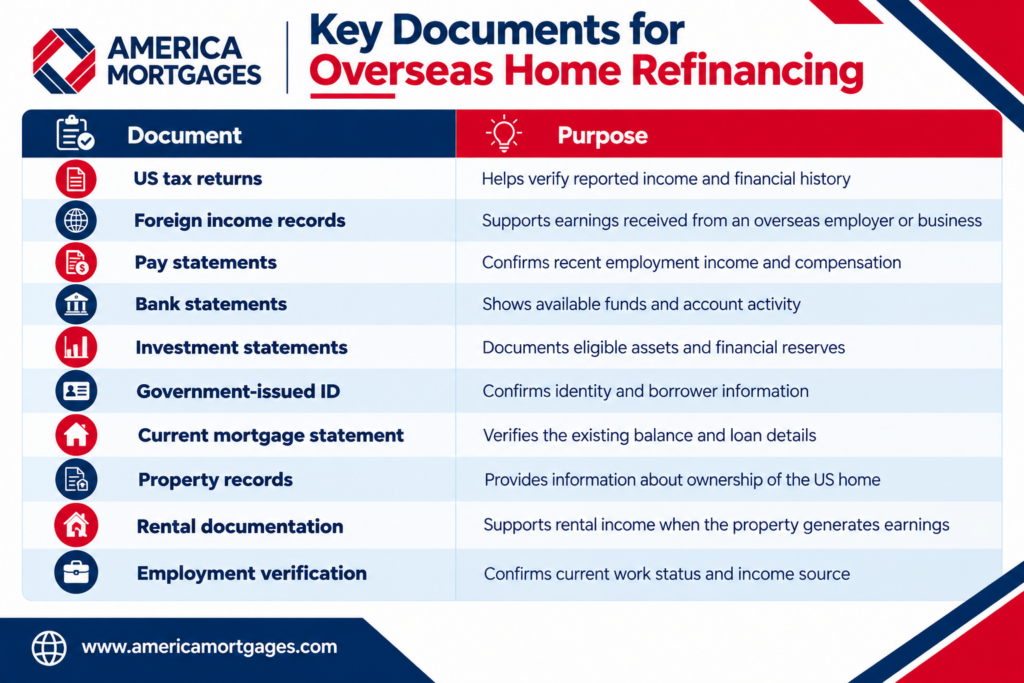
When you buy a property in Nashville from a foreign country, the preparation of the documents should be of special importance. Foreign bank statements, identification and documentation of funding may require verification. If you finance your purchase, reviewing the mortgage pre-approval process for foreign nationals can help you get acquainted with the requirements of the lender prior to the closing.
Finally, check the process of closing your property if you stay abroad at the moment of the closing. The title company will be able to tell you about remote signing, notarization, wiring procedures and powers of attorney. Keep copies of all signed documents and final statements.
Case Study: How a Swiss Investor Secured U.S. Property Financing in 11 Days
In a 2026 case of America Mortgages, there was an investor from Switzerland who wanted to acquire an American multifamily building. The borrower had only 14 days to close the deal. Most of the money of the investor was invested in European securities.
An asset-based financing approach made this deal possible. A $3.75 million bridge loan at 75% LTV was closed in 11 days. This deal did not require any American credit check or Swiss tax returns. Eventually, the property was stabilized and refinanced for $6.2 million.
Start Planning Your Nashville Property Purchase With America Mortgages
Property purchase from abroad needs proper preparation prior to making an offer. First, one should assess their budget, desired property type, requirements for financing, and expected cost of owning. All this will allow you to go to the Nashville market with realistic financial expectations.
America Mortgages will help you in assessing the financing possibilities for U.S. properties. Their experts will analyze your situation, tell about possible loan products, and advise on required documents for obtaining a mortgage.
Are you ready to learn more about your financing options in Nashville? Contact America Mortgages right now to discuss your plans with a mortgage expert. Dial +1 (845) 583-0830 or send an email to [email protected].
FAQs
Q1: Can a Foreigner Get a Green Card by Buying Property in Nashville?
No, buying property in Nashville will not make a person qualify for obtaining a U.S. green card. Immigrants cannot simply purchase land and expect to get residence permission. Thus, prospective immigrants will have to search for the right route of immigration suitable for their case.
Q2: Can I Rent Out My Nashville Property as a Non-Resident?
Yes, a Nashville property can be rented by non-residents, as long as it complies with relevant laws. It is recommended to determine zoning laws, licensing, taxation, and other restrictions regarding the property. Additionally, a property management company can be hired locally to deal with the tenants and manage the property.
Q3: Do Non-U.S. Residents Pay Property Taxes in Tennessee?
Yes, non-U.S. residents pay property taxes for owning real estate in Tennessee. This is dependent on the assessed value of the real estate and the applicable tax rate. As such, take this into consideration when calculating your total ownership costs in Nashville.
Q4: Can I Buy Nashville Real Estate Remotely From Another Country?
Yes, one can buy Nashville real estate even from outside the U.S. This can be achieved through online transactions, which include property search, document examination, financing, and communication. Also, all the documentation that needs to be signed will not necessitate frequent travel to the United States.
Q5: What Happens to U.S. Property If the Owner Lives Abroad?
If you have property in the U.S. and you live abroad, you will continue to be able to retain, rent, sell, or transfer it. Nevertheless, you will still need to pay tax on it, as well as insure and manage it.
Share this article
Ready to get started?
Speak with our U.S. mortgage specialists today and discover your options.
Schedule a call