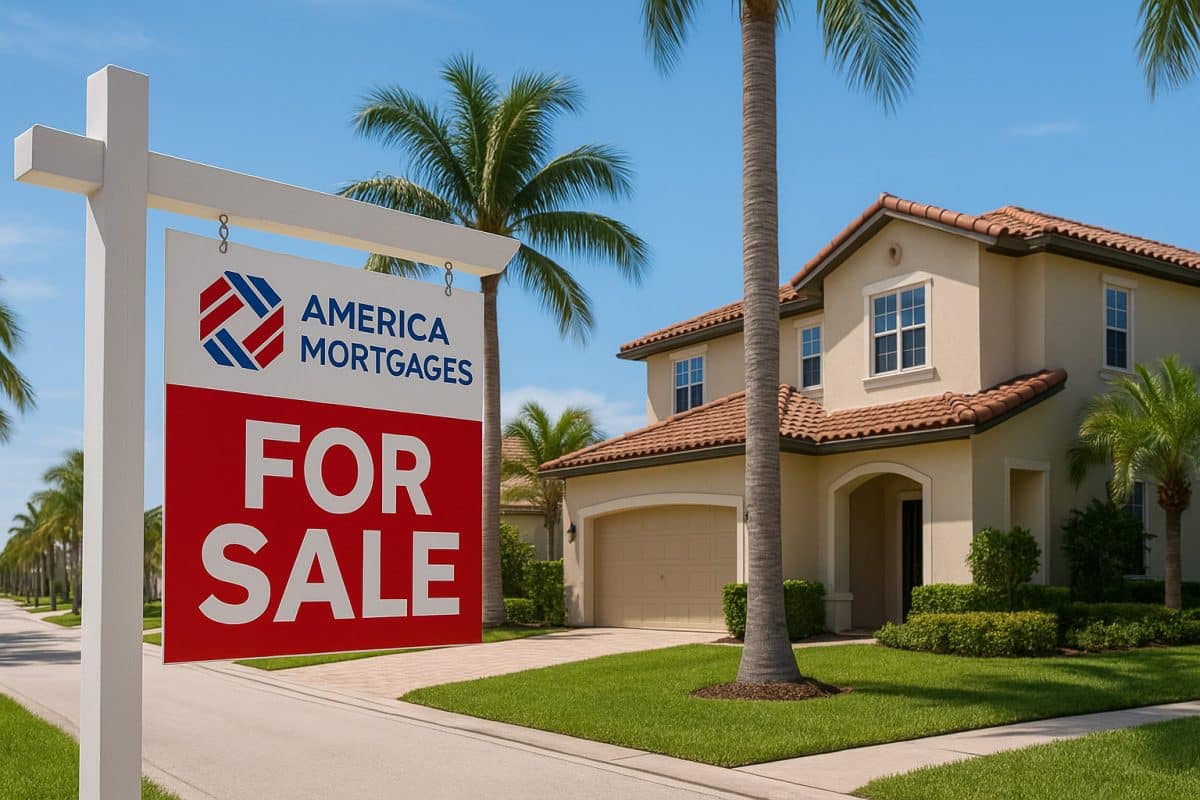
Rising rates. Soaring tariffs. Global uncertainty.

Sounds like a time to sit on the sidelines, right? Not exactly.

For savvy investors, these are the signals of opportunity – especially in U.S. real estate.

We recently hosted an exclusive webinar with our Co-Founder, Donald Klip, where he unpacked what’s really happening beneath the headlines—and why current market conditions are creating a strong window of opportunity for foreign nationals and U.S. expats looking to invest in U.S. real estate.

A supply crisis hiding in plain sight

While much of the media focuses on Fed policy and mortgage rate spikes, a more powerful force is quietly driving the U.S. housing market: an unprecedented shortage of homes.

Estimates show the country is short by 5 to 7 million homes. Rising tariffs are also pushing up the cost of imported construction materials, from Canadian lumber to Chinese tools, which is slowing new developments even further.

With fewer homes being built and demand continuing to rise, the result is predictable: prices are holding steady and rental yields are climbing.

In fact, in 2022, despite the Fed raising interest rates from 0.25% to over 4.25%—the sharpest annual increase in four decades—U.S. home prices still rose by 10.2%, according to the Federal Housing Finance Agency (FHFA). That’s not just resilience; it’s a sign of a strong asset.

The “new” American dream and what it means for landlords

There was a time when the American Dream meant working hard, buying a home, and raising a family. However, with median home prices now 6–7 times the average household income, homeownership is no longer attainable for many Americans.

Instead, more people are renting, and that trend is accelerating. This is great news for landlords and rental investors. The shift from ownership to tenancy is driving up demand for well-located, investor-owned properties, particularly in migration hotspots.

For foreign investors, this presents an opportunity to enter markets where tenants are plentiful and rental income potential is strong. According to ATTOM’s Q1 2025 Single-Family Rental Market Report, gross rental yields across U.S. counties vary widely, with many affordable and emerging markets offering yields starting from 8% and reaching up to 18%. 

These returns are significantly higher than those typically seen in many international property markets, making U.S. real estate a compelling option for global investors in 2025.

Migration is reshaping where investors are looking

Americans are on the move. Whether it’s to escape high costs, pursue better job opportunities, or benefit from lower taxes, more people are relocating, and doing so quickly.

States like Texas, Florida, Tennessee, Georgia, North and South Carolina are seeing a steady stream of new residents. Why? They offer strong job growth, particularly in industries like EVs, semiconductors, and logistics, along with no state income tax and relatively affordable housing.

For investors, this shift isn’t just interesting; it presents a clear opportunity. When people move, rental demand follows. These are the markets where growth is accelerating, infrastructure is expanding, and property values are poised to rise.

Why Buying Now Sets You Up for Future Equity

While some investors may hesitate in a high-rate environment, there are strong reasons why now may be exactly the right time to enter the market.

The logic is simple: lock in today’s pricing, refinance when rates drop.

When interest rates fall, and market indicators suggest that could happen soon, home prices are expected to jump. For investors who buy during the rate spike, this can lead to equity gains, refinancing opportunities, and the chance to pull cash out for their next investment.

Do I need U.S. credit to invest?

Absolutely not! If you’re a foreign national, you do not need U.S. credit to invest using America Mortgages’ market rate mortgage loans for investors. On top of that, the loans qualify on the property’s cash flow/rental on a 1:1 basis. No personal income taxes or end-of-year statements required. It’s common sense underwriting at its best!

Does a U.S. Expat need W2 income? 

Absolutely not. If you’re a U.S. expat and you still maintain U.S. credit, you can qualify just as if you were living and working in the U.S. but with foreign-earned income allowed and no W2 required. A real game changer if you’ve tried other banks!

At America Mortgages, we approve clients based on the property’s projected rental income—not your personal income. If the rent covers the mortgage, you qualify.

Loan highlights: 

  • No U.S. credit score required (foreign nationals)
  • Foreign-earned income accepted
  • Rental income qualifies the loan, not personal income
  • Up to 80% LTV available across all 50 states
  • Loan amounts from $100,000 and up

This is how global investors are entering the U.S. market—easily, affordably, and with confidence.

Watch our recent webinar

If you missed it, watch the full webinar here.

Want to explore your options or get pre-approved?

Contact us today, and let’s walk you through a seamless mortgage journey. 

Speak to a Mortgage Specialist 24/7: +1 (845) 583-0830

Email: [email protected]

Learn More: www.americamortgages.com

Your Top Questions Answered

1. Is now a good time to invest in U.S. real estate?

Yes. Even during aggressive rate hikes, U.S. home prices rose over 10% in 2022. Limited supply and rising construction costs due to tariffs are keeping prices and yields strong. It’s a landlord’s market.

2. Should I wait for Fed rate cuts or buy now?

Don’t wait. Property prices tend to jump as soon as rates drop. Lock in today’s pricing, then refinance later for better terms and equity gains.

3. What’s the fastest way to get started?

Get pre-approved. America Mortgages can issue a pre-approval within 24 hours—no U.S. credit or tax returns required. We also help connect you with realtors in top U.S. investment cities.

4. How do migration trends affect investment strategy?

Migration drives demand. States like Texas, Florida, and the Carolinas are seeing population growth, job expansion, and rising rents. If people are moving there, investors should be too.

Read the full Q&A here.

We recently hosted a webinar with Donald Klip, Co-Founder of America Mortgages, to unpack how today’s high-interest rates, surging tariffs, and shifting migration patterns are creating unexpected opportunities in U.S. real estate—especially for foreign nationals and U.S. expats.

For those who missed it, the recording is available here.

During the session, Donald Klip (DK) addressed key questions, covering market trends, property performance comparisons, and tailored financing solutions designed specifically for foreign nationals and U.S. expats investing from abroad.

Remarks have been edited for clarity and brevity.

Is now a good time to invest in U.S. real estate?

DK: Absolutely. Despite high interest rates and global uncertainty, home prices in the U.S. still rose over 10% in 2022—during one of the steepest rate hikes in history. Why? A severe housing shortage. The U.S. is short 5–7 million homes, and tariffs are further stalling new builds by raising costs for materials like Canadian lumber and Chinese tools. That imbalance means prices and rental yields continue to climb. It’s a landlord’s market.

How do rising tariffs affect real estate?

DK: Tariffs increase the cost of construction inputs, which discourages homebuilders from starting new projects. That slows down supply even further—driving up home values and rent. In short: rising tariffs are inflationary for housing, which benefits investors holding real estate assets.

How do tariffs affect the cost of new construction, and what does that mean for buyers of existing homes?

DK: Builders rely heavily on imported materials—tools from China, lumber from Canada. Tariffs have made these essentials significantly more expensive, which is discouraging new construction. That benefits buyers of existing homes: low supply means higher prices and stronger rental yields for current inventory.

Are there signs that gentrification is slowing?

DK: Not at all. America has a deep-rooted culture of migration. Cities continue to gentrify as people relocate for affordability, jobs, and better schools. What’s different is where the action is. We’re seeing massive movement into the Southeast corridor—Texas, Georgia, the Carolinas—thanks to major job creation (like EV and semiconductor factories) and no state income tax.

Should we prioritize no-income-tax states for investment?

DK: Yes, it’s smart to consider. States like Texas, Florida, and Tennessee are seeing population surges because of their favorable tax policies. If tenants are moving there, investors should follow. We often advise looking at school rankings, employment growth, and cost of living alongside tax rates when deciding where to buy.

With talk of possible Fed rate cuts later this year, should we wait or lock in financing now?

DK: Don’t wait. Prices are more sensitive than interest rates. When rates are cut, prices will spike—possibly overnight. If you’re looking at a $200,000 home and wait for a rate drop, it could jump to $250,000. Lock in now and refinance later for better terms and equity gains.

How does rental income-based qualification work?

DK: It’s simple. If the projected rent covers the mortgage, you’re approved. We don’t need U.S. credit, tax returns, or employment documentation. That’s the foundation of our Rental Coverage+ loan program, designed specifically for foreign nationals and U.S. expats.

Besides West Virginia, are any other states becoming affordable?

DK: A few states like Kentucky, Mississippi, and Arkansas still fall under “moderately affordable,” but the affordability map is shrinking. West Virginia remains the only state labeled as “affordable.” That’s why migration is such a big deal—it’s people chasing affordability and better opportunities.

How fast can a bridging loan be approved and funded?

DK: Typically within 1 to 4 weeks, depending on the structure. It’s especially popular now because many banks aren’t lending aggressively. Bridging loans offer flexibility—whether you’re buying time to close, tapping equity, or grabbing an urgent opportunity.

What are some unexpected ways clients use bridging loans?

DK: We’ve seen clients use them to pay for healthcare, purchase businesses, invest in gold, or fund overseas property buys. Recently, a client refinanced three debt-free U.S. properties to buy a home in Singapore. It’s all about liquidity at the right moment.

How do migration trends shape investment decisions?

DK: Migration is the new investment map. Americans are moving to states with better job prospects, lower taxes, and affordable housing. These migration patterns are driving rental demand and price appreciation. “Follow the migration” is our mantra—it’s where infrastructure is expanding and yields are strong.

What’s your forecast for U.S. interest rates?

DK: The market is pricing in four rate cuts by year-end. If rates fall, expect property prices to jump. If you buy now, you benefit from today’s pricing and refinance later for better terms and potential cash-out equity. That’s the U.S. game.

What loan-to-values (LTVs) can foreigners expect?

DK: Up to 75% LTV with no U.S. credit history required. For U.S. expats, it’s even higher. Our most popular program qualifies borrowers purely on rental income. We also offer options based on overseas income and high-net-worth portfolios.

Can I get pre-approved before finding a property?

DK: Yes. We can issue a pre-approval within 24 hours. You’ll use that to start house hunting with proof of financing. Once you’re ready to go into contract, we’ll finalize the loan with minimal fuss. We even connect clients with realtors in top investment cities.

Do you work with self-employed or digital nomads?

DK: Absolutely. Many of our clients don’t have traditional income documentation. That’s why our rental-based qualification model is so effective. You don’t need pay slips or HR letters—just a solid rental appraisal. If the rent covers the loan, you’re good.

What should someone do today if they want to take advantage of these trends but don’t know where to start?

DK: Just reach out. We’ll guide you through the full process—help you select the right city, introduce you to trusted realtors, structure your mortgage, and even assist with LLC formation and taxes. You’re not alone in this. Let us help you get started.

[email protected]

America Mortgages, the leader in U.S. real estate financing for foreign nationals and U.S. expats, just made investing in U.S. property even easier.

Introducing Our New Closing Cost Financing Program

We’re excited to launch a game-changing option for global property investors:

Borrowers can now finance closing costs directly into their mortgage — without impacting their Loan-to-Value (LTV) ratio.

Here’s what that means for you:

  • Less cash is needed upfront when purchasing
  • More capital is retained when refinancing
  • No compromise to your approved LTV

Whether you’re acquiring your first U.S. investment property or expanding your real estate holdings internationally, this new feature gives you a stronger cash position from day one.

Why Global Investors Choose America Mortgages

Unlike traditional lenders, America Mortgages is built exclusively for foreign nationals and U.S. expats. That’s our entire business. We simplify U.S. property ownership regardless of where you live or which passport you hold.

What sets us apart:

  • No U.S. credit score required
  • Foreign-earned income accepted
  • Rental income qualifies the loan, not personal income
  • Up to 80% LTV available across all 50 states
  • Loan amounts from $100,000 and up

This isn’t just another mortgage—it’s a tailored solution designed for international investors who want direct access to U.S. real estate without the traditional barriers.

Whether you’re an entrepreneur in Singapore, a tech executive in Berlin, or a retiree in Dubai, America Mortgages gives you the tools to invest confidently from anywhere in the world.

Ready to Invest With Less Cash Up Front?

Let’s talk. Our mortgage specialists are available 24/7 to help you unlock new opportunities and grow your global real estate footprint.

📞 Speak to a Mortgage Specialist 24/7: +1 (845) 583-0830
📧 Email: [email protected]
🌐 Learn More: www.americamortgages.com

America Mortgages — The #1 Choice for Foreign Nationals and U.S. Expats. Because owning in the U.S. shouldn’t require living in the U.S.

Frequently Asked Questions

Q1: What’s new in this offer?

A: You can now finance your closing costs into your mortgage without changing your approved Loan-to-Value (LTV).

Q2: Who is eligible for this program?

A: International investors, foreign nationals, or U.S. expats can apply; a U.S. credit score isn’t required.

Q3: How much down payment or cash-out is needed?

A: With closing costs financed, you need less cash upfront when purchasing and more capital retained when refinancing.

Q4: What loan terms are available?

A: Up to 80% LTV across all 50 U.S. states, loan amounts starting from $100,000.

Q5: Why choose America Mortgages for U.S. property investment?

A: They specialize exclusively in foreign nationals & U.S. expats, accept foreign-earned income, and rental income qualifies.


Inversión en Propiedades en EE. UU. — Ahora con Aún Menos Dinero de Tu Bolsillo

America Mortgages, el líder en financiamiento inmobiliario en EE.UU. para extranjeros y expatriados estadounidenses, acaba de hacer que invertir en propiedades en EE.UU. sea aún más fácil.

Presentamos Nuestro Nuevo Programa de Financiamiento de Costos de Cierre

Estamos emocionados de lanzar una opción revolucionaria para los inversionistas inmobiliarios internacionales: Ahora los prestatarios pueden financiar los costos de cierre directamente dentro de su hipoteca — sin afectar su relación préstamo-valor (LTV).

¿Qué significa esto para ti?

Menor cantidad de dinero necesario al momento de la compra
Conservas más capital al refinanciar
Sin comprometer el LTV aprobado

Ya sea que estés adquiriendo tu primera propiedad de inversión en EE. UU. o ampliando tu portafolio inmobiliario internacional, esta nueva función te brinda una mejor posición de liquidez desde el primer día.

Por Qué los Inversionistas Globales Eligen America Mortgages

A diferencia de los prestamistas tradicionales, America Mortgages está diseñado exclusivamente para extranjeros y expatriados estadounidenses. Ese es todo nuestro enfoque. Simplificamos la propiedad inmobiliaria en EE. UU., sin importar dónde vivas o qué pasaporte tengas.

Lo que nos hace diferentes:

No se requiere puntaje crediticio en EE. UU.
Se acepta ingreso generado en el extranjero
Los ingresos por alquiler califican para el préstamo, no tu ingreso personal
Hasta el 80% de LTV disponible en los 50 estados
Montos de préstamo desde $100,000 en adelante

Esto no es solo otra hipoteca—es una solución personalizada diseñada para inversionistas internacionales que quieren acceso directo al mercado inmobiliario de EE. UU. sin las barreras tradicionales.

Ya seas emprendedor en Singapur, ejecutivo tecnológico en Berlín o jubilado en Dubái, America Mortgages te da las herramientas para invertir con confianza desde cualquier parte del mundo.

¿Listo para Invertir con Menos Dinero Inicial?

Hablemos. Nuestros especialistas en hipotecas están disponibles 24/7 para ayudarte a descubrir nuevas oportunidades y hacer crecer tu presencia inmobiliaria global.

📞 Habla con un Especialista en Hipotecas 24/7: +1 (845) 583-0830
📧 Correo electrónico: [email protected]
🌐 Más información: www.americamortgages.com

America Mortgages — La opción #1 para Extranjeros y Expatriados Estadounidenses. Porque ser dueño en EE. UU. no debería requerir vivir allí.


美国房产投资 — 现在可用更少自备现金实现

America Mortgages 是为外国公民和美国外派人士提供美国房地产融资的领先机构,如今让投资美国房产变得更加简单。

推出全新“过户费用融资”计划

我们隆重推出一项为全球房产投资者带来颠覆性变革的新选择:

借款人现在可以将过户费用直接计入房贷中,而不会影响贷款与房产价值比(LTV)。

这对你意味着:

购房时所需现金更少
再融资时可保留更多资金
不影响你已获批准的LTV比例

无论你是在购买第一套美国投资房产,还是在拓展国际房地产投资版图,这项新功能都能从第一天起让你的现金流更稳健。

全球投资者为何选择 America Mortgages

与传统贷款机构不同,America Mortgages 专为外国投资者与美国外派人士服务。这是我们专注的全部业务。我们简化了美国房产的拥有流程,无论你住在哪个国家、持有什么护照。

我们的优势:

无需美国信用评分
接受海外收入
贷款资格基于租金收入,而非个人收入
50个州最高可贷80% LTV
贷款金额从10万美元起

这不仅仅是一笔普通贷款,而是专为国际投资者设计的量身方案,让你无需面对传统障碍也能轻松进入美国房地产市场。

无论你是身在新加坡的企业家、柏林的科技高管,还是迪拜的退休人士,America Mortgages 都为你提供从世界各地安心投资的强大工具。

想用更少现金开始投资吗?

欢迎联系。我们的房贷专家全天候 24/7 在线,帮助你发掘全新机遇,拓展全球房地产资产。

📞 24/7 咨询热线:+1 (845) 583-0830
📧 邮箱:[email protected]
🌐 了解更多:www.americamortgages.com

America Mortgages — 外国投资者与美国外派人士的首选。因为拥有美国房产,不该以居住在美国为前提。

如需转为简体或繁体排版、广告语精简版、或适配社交平台的格式,也可以告诉我,我可以帮你调整。

The Client

A French entrepreneur based in Paris was in the process of selling a commercial asset in France and wanted to acquire a residential investment property in Miami, Florida. The issue? The sale proceeds would only be available in 3–4 months, and the U.S. seller required a fast close.

How We Helped

America Mortgages structured a 12-month bridge loan based on the strength of the client’s financials in France and the value of the Miami property. This allowed the client to secure the property without waiting for funds from the French sale. The loan provided flexibility to refinance or repay once liquidity was available, preventing a lost investment opportunity.

Loan Details

NationalityProperty ValueLoan AmountLTVRate
French $950,000$712,50075%11%
TermAddressProperty TypePurposeLoan Type
12 MonthsMiami, FLCondo (Residential Investment)PurchaseBridge Loan
U.S. Commercial Real Estate

In many European countries, signing a purchase agreement for a property must be accompanied by a 10% cash deposit. If you back out for any reason, you lose that money.

What?!!! Yes — that’s how it works in several markets.

While not every country operates this way, the U.S. commercial real estate process is refreshingly different:

  • You sign a purchase agreement
  • You place a much smaller Earnest Money (EM) deposit, typically around 1%
  • This deposit is held in escrow by a neutral title company, not paid to the seller
  • You’re usually granted a 30-day Feasibility Period (longer for vacant land), during which you can walk away
  • If you terminate the deal during this period, you typically receive most or all of your deposit back
  • Some states (like Texas) allow the seller to keep a small portion, often just 1% of the EM

This structure significantly reduces risk for the buyer, allowing you to fully evaluate the property before committing.

Who You Can Hire During the Feasibility Period:

  • Building Inspector – Checks code compliance and identifies major issues
  • HVAC Inspector – Tests heating/cooling systems and recommends repairs
  • Roof Inspector – Assesses the condition and identifies leaks
  • General Contractor – Estimates renovation or build-out costs
  • Drone Photographer – Great for large sites or remote plots
  • Civil Engineer / Architect – Ideal for land purchases to advise on zoning, design, drainage, fire safety, etc.

These inspections cost money, but compared to your total investment, it’s a small price to pay for confidence and clarity.

If you decide not to proceed, you can cancel before the Feasibility Period ends, recover your Earnest Money, and only be out the inspection costs.

Why U.S. CRE Makes Sense

This process makes investing in U.S. commercial real estate a comfortable, low-risk decision for experienced investors. You get time to assess the deal thoroughly, and you’re not locked in financially until much later.

Because of these protections, you can also move fast on a good deal. If something promising hits the market, “paper” it fast sign the contract, secure your place, and then use the next 30 days to decide if it truly fits your strategy.

In contrast, in markets where 10% down is immediately non-refundable, such flexibility is unthinkable.

This is exactly why I love investing in U.S. commercial property.

Let’s talk about your next deal — contact me today.

Lance Langenhoven
Head of Commercial Lending
[email protected]

Frequently Asked Questions

Q1: Why is U.S. commercial real estate considered low risk?

A: Because buyers typically pay only ~1% deposit, get a feasibility period to inspect the property, and have strong legal protections limiting upfront risk.

Q2: What is an “earnest money” deposit, and how much is it?

A: It’s a small initial deposit (often ~1%) held in escrow when you sign a contract, much lower than in many other countries.

Q3: What is a “feasibility period” and why does it matter?

A: A typical ~30-day window during which you can carry out inspections and cancel without losing your deposit, giving you time to assess and limit risk.

Q4: How does this process compare to commercial real estate markets abroad?

A: In many foreign markets, you might put down ~10% deposit upfront and cannot walk away, whereas in the U.S., you get more flexibility and less initial exposure.              

Q5: What practical steps should an investor take when buying U.S. commercial property?

A: Use the feasibility period wisely: hire building/roof/HVAC inspectors, contractors, and engineers to assess costs and condition, before committing fully.

Commercial Real Estate Down Payment

You’ve probably heard the saying:

“Developers or investors never have any cash.”

Why? Because their capital is usually already tied up in other commercial deals.

So what happens when a great new deal suddenly pops up — maybe the exact kind of opportunity you’ve waited five years for — and you’ve only got 50% or less of the down payment on hand?

Do you miss out?

Not necessarily.

Enter: Owner Financing

In the U.S., owner (or seller) financing is a common strategy that allows deals like this to happen — especially when buyers are tight on cash but the fundamentals of the deal are strong.

Here’s how it works:

Example Scenario

Purchase Price: $2,000,000
Typical Bank Loan (80%): $1,600,000
Required Down Payment (20%): $400,000
Cash Available: $100,000
Shortfall: $300,000

Deal Structure Using Seller Financing

Bank Loan: $1,600,000 (interest-only for 18 months)
Seller Finance: $300,000 (interest-only for 18 months)
Buyer Cash: $100,000

This structure gives you control of the asset without needing the full 20% upfront.

You position the deal with an 18-month interest-only term to give you time to improve the property and raise rents. After 18 months, the bank loan converts to a fully amortizing loan, and the seller financing is paid off.

What Happens Next

You upgrade the property, increase rents, fill vacancies — and within 18 months, the NOI (Net Operating Income) increases enough to justify a new valuation of $2.4M.

You refinance:

New Loan (80% of $2.4M): $1,920,000

Pay off:

  • Initial bank loan: $1,600,000
  • Seller loan: $300,000

Leftover: $20,000 in cash back to you at closing.

You’ve executed a full turnaround without partners.

You controlled the asset with just $100K.

The seller helped you get the deal done.

Why It Works

This structure is a win-win.

Sellers are often willing to help bridge the gap — especially if the alternative is a lower sale price or no sale at all. And for buyers, it’s a way to move fast on a rare opportunity without giving up control or equity.

So next time you come across that deal you’ve been waiting for, and you’re short on cash — remember: you can still make it happen.

Let’s talk about your next deal.

Lance Langenhoven
Head of Commercial Lending
[email protected]

Frequently Asked Questions

Q1: What if I don’t have the full 20% down payment for a commercial property?

A: You can combine a bank loan and seller/owner financing so you don’t need the full down payment upfront.

Q2: How does owner (seller) financing work in this scenario?

A: The seller lends you the shortfall for a set period (e.g., interest-only for 18 months) while the bank covers the main loan.

Q3: Why is this combined structure advantageous for both buyer and seller?

A: The buyer moves fast on a deal with less cash, while the seller facilitates a sale that might otherwise stall or get a lower price.

Q4: What happens after the interest-only period ends?

A: You renovate or improve the property, increase its value (NOI), then refinance so you can pay off the seller note and move to a fully amortising loan.

Q5: Is this strategy only for U.S.-based investors or for foreigners too?

A: While the article focuses on U.S. commercial deals, the service provider also works with foreign nationals and expats for U.S. real estate financing.

U.S. commercial real estate has long been seen as a stable and attractive asset class. In recent years, it has become increasingly popular among international investors looking to diversify their portfolios, generate predictable income, and build long-term equity.

What many investors don’t realize is just how accessible U.S. commercial property is—even if you don’t live in the United States, hold U.S. credit, or have a U.S. entity.

Foreign nationals and U.S. expats can now finance commercial real estate across the United States with loan programs specifically designed for overseas borrowers. These loans focus on the strength of the deal itself, not the borrower’s U.S. profile.

Commercial Real Estate Lending That Prioritizes the Asset, Not the Borrower

Financing U.S. commercial real estate as a foreign investor can be more straightforward than many assume. There are loan programs specifically structured for non-resident borrowers that consider a comprehensive view of both the property and the borrower.

Rather than relying solely on U.S. credit scores or domestic income, these programs assess a combination of factors, including the property’s income potential, the borrower’s global financial profile, and the overall structure of the deal.

This approach creates opportunities for international investors who may not have U.S. residency or credit but possess strong financials, a solid asset base, and a clear investment strategy.

Investing from Abroad Without U.S. Credit or Income

Foreign nationals can secure U.S. commercial property financing without needing U.S. income documentation or credit scores. These loans can be structured to accommodate overseas tax returns and non-resident income.

Interest rates for foreign borrowers are competitive, and they remain attractive for investors seeking dollar-denominated cash flow and capital appreciation.

Down payments typically range from 30 to 35 percent, although in some cases—particularly for strong multifamily properties with high occupancy—this may drop to 20%.

Why Commercial Real Estate Appeals to Global Investors

For many overseas investors, commercial real estate presents fewer management hassles and more scalable opportunities. Unlike residential properties, commercial tenants are businesses, not individuals. Lease terms are longer, turnover is lower, and responsibilities such as repairs and property taxes are often built into the lease structure.

Many international investors favor property types like:

  • Multifamily apartment buildings
  • Retail shopping centers
  • Self-storage facilities
  • Medical offices
  • RV and boat storage
  • Warehouses and light industrial parks

These assets provide consistent income streams and can be managed remotely with the help of local property management companies.

Our Recent Webinar with Lance Langenhoven

If you missed it, watch it here.

Accessing U.S. Commercial Loans Without Stepping Foot in the Country

One of the biggest shifts in recent years is how seamless it has become to invest and finance from overseas. From sourcing the deal to structuring the loan and completing the closing, every step of the process can be done remotely.

Documentation requirements are tailored for international borrowers. While U.S. citizens may use W-2s and domestic tax filings, foreign nationals can qualify using overseas financial statements, international bank references, and global asset portfolios.

It’s no longer necessary to establish a U.S. entity, fly in for a closing, or navigate the process through trial and error. There are lending partners who specialize exclusively in foreign national and expat financing, removing the guesswork and opening the door to serious investment opportunities.

The Bottom Line

U.S. commercial real estate offers foreign investors a combination of stability, scalability, and strong income potential. With tailored loan programs now available for non-resident borrowers, it’s easier than ever to secure funding for a commercial property in the United States.

Whether you’re looking to acquire your first CRE asset or expand an existing portfolio, the right financing partner can guide you through the process with a strategy that fits your investment goals.

U.S. real estate is no longer out of reach—it’s wide open.

Frequently Asked Questions

Should I get pre-approved before finding a property?

In commercial real estate, lenders need to evaluate the property itself. It’s best to identify the asset first, then structure the financing based on that deal.

Can I use a CPA letter instead of tax returns?

Some lenders may accept a CPA letter as supplemental documentation, but most will require at least three years of tax returns to assess income and financial consistency.

How long does the loan process take?

Pre-approval typically takes one to two weeks once documents and a property contract are submitted. Closing generally takes 30 to 45 days, depending on the complexity of the deal.

What’s the required down payment?

Most lenders require 30 to 35 percent down. In some cases, such as strong-performing multifamily assets, this may be reduced to 20%.

Is there a limit to how many U.S. commercial properties I can finance?

There is no set limit. You can finance as many properties as you qualify for based on your financial profile and the property’s performance.

Do I need U.S. credit to qualify?

No. U.S. credit is not required. Loans can be structured around your international financial history and documentation.

Where can I find commercial properties to invest in?

Platforms like CREXI and LoopNet are excellent starting points. A local commercial broker can also help you identify high-potential opportunities in your target market.

Read the full Q&A here.

Ready to Start Your Commercial Investment Journey?

Whether you’re acquiring your first U.S. commercial asset or expanding a global portfolio, we can help you find the right financing strategy tailored to your goals.

Contact us today:

Lance Langenhoven
Head of Commercial Lending
📧 [email protected]

America Mortgages
📍 Call us 24/7: +1 (845) 583-0830
📧 General Inquiries: [email protected]
🌐 Visit: www.americamortgages.com


La estrategia secreta que los inversionistas extranjeros están utilizando para comprar propiedades comerciales en EE. UU. sin crédito estadounidense

Los bienes raíces comerciales en Estados Unidos han sido considerados durante mucho tiempo una clase de activo estable y atractiva. En los últimos años, se han vuelto cada vez más populares entre inversionistas internacionales que buscan diversificar sus carteras, generar ingresos predecibles y construir patrimonio a largo plazo.

Lo que muchos inversionistas no se dan cuenta es cuán accesibles son las propiedades comerciales en EE. UU., incluso si no vives en Estados Unidos, no tienes crédito estadounidense o no posees una entidad en el país.

Los ciudadanos extranjeros y los expatriados estadounidenses ahora pueden financiar bienes raíces comerciales en todo Estados Unidos con programas de préstamos diseñados específicamente para prestatarios en el extranjero. Estos préstamos se enfocan en la solidez del negocio en sí, no en el perfil crediticio del prestatario en EE. UU.

Préstamos para bienes raíces comerciales que priorizan el activo, no al prestatario

Financiar bienes raíces comerciales en EE. UU. como inversionista extranjero puede ser más sencillo de lo que muchos suponen. Existen programas de préstamos estructurados específicamente para prestatarios no residentes que consideran una visión integral tanto de la propiedad como del prestatario.

En lugar de depender únicamente de puntajes de crédito estadounidenses o ingresos domésticos, estos programas evalúan una combinación de factores, incluyendo el potencial de ingresos de la propiedad, el perfil financiero global del prestatario y la estructura general del negocio.

Este enfoque crea oportunidades para inversionistas internacionales que pueden no tener residencia o crédito en EE. UU., pero poseen finanzas sólidas, una base de activos sólida y una estrategia de inversión clara.

Invertir desde el extranjero sin crédito o ingresos en EE. UU.

Los ciudadanos extranjeros pueden obtener financiamiento para propiedades comerciales en EE. UU. sin necesidad de documentación de ingresos o puntajes de crédito estadounidenses. Estos préstamos pueden estructurarse para adaptarse a declaraciones de impuestos en el extranjero e ingresos de no residentes.

Las tasas de interés para prestatarios extranjeros son competitivas y siguen siendo atractivas para inversionistas que buscan flujos de efectivo en dólares y apreciación de capital.

Los pagos iniciales suelen oscilar entre el 30 y el 35 por ciento, aunque en algunos casos, particularmente para propiedades multifamiliares sólidas con alta ocupación, esto puede reducirse al 20 %.

Por qué los bienes raíces comerciales atraen a inversionistas globales

Para muchos inversionistas en el extranjero, los bienes raíces comerciales presentan menos complicaciones de gestión y más oportunidades escalables. A diferencia de las propiedades residenciales, los inquilinos comerciales son negocios, no individuos. Los términos de arrendamiento son más largos, la rotación es menor y responsabilidades como reparaciones e impuestos a la propiedad a menudo están incorporadas en la estructura del arrendamiento.

Muchos inversionistas internacionales prefieren tipos de propiedades como:

  • Edificios de apartamentos multifamiliares
  • Centros comerciales minoristas
  • Instalaciones de autoalmacenamiento
  • Consultorios médicos
  • Almacenamiento para vehículos recreativos y embarcaciones
  • Almacenes y parques industriales ligeros

Estos activos proporcionan flujos de ingresos consistentes y pueden ser gestionados de forma remota con la ayuda de empresas locales de gestión de propiedades.

Nuestro reciente seminario web con Lance Langenhoven

¿Te lo perdiste? Míralo aquí.

Acceder a préstamos comerciales en EE. UU. sin pisar el país

Uno de los mayores cambios en los últimos años es lo sencillo que se ha vuelto invertir y financiar desde el extranjero. Desde la búsqueda del negocio hasta la estructuración del préstamo y la finalización del cierre, cada paso del proceso puede realizarse de forma remota.

Los requisitos de documentación están adaptados para prestatarios internacionales. Mientras que los ciudadanos estadounidenses pueden usar formularios W-2 y declaraciones de impuestos nacionales, los ciudadanos extranjeros pueden calificar utilizando estados financieros en el extranjero, referencias bancarias internacionales y carteras de activos globales.

Ya no es necesario establecer una entidad en EE. UU., viajar para un cierre o navegar el proceso por ensayo y error. Hay socios prestamistas que se especializan exclusivamente en financiamiento para ciudadanos extranjeros y expatriados, eliminando las conjeturas y abriendo la puerta a oportunidades de inversión serias.

Conclusión

Los bienes raíces comerciales en EE. UU. ofrecen a los inversionistas extranjeros una combinación de estabilidad, escalabilidad y fuerte potencial de ingresos. Con programas de préstamos adaptados ahora disponibles para prestatarios no residentes, es más fácil que nunca asegurar financiamiento para una propiedad comercial en Estados Unidos.

Ya sea que estés buscando adquirir tu primer activo de bienes raíces comerciales o expandir una cartera existente, el socio financiero adecuado puede guiarte a través del proceso con una estrategia que se ajuste a tus objetivos de inversión.

Los bienes raíces en EE. UU. ya no están fuera de alcance; están ampliamente disponibles.

¿Listo para comenzar tu inversión en bienes raíces comerciales en EE. UU.?

Ya sea que estés adquiriendo tu primer activo comercial en Estados Unidos o ampliando tu portafolio global, podemos ayudarte a encontrar la estrategia de financiamiento adecuada para alcanzar tus objetivos.

Contáctanos:

Lance Langenhoven
Director de Préstamos Comerciales
📧 [email protected]

America Mortgages
📍 Llámanos 24/7: +1 (845) 583-0830
📧 Correo general: [email protected]
🌐 Sitio web: www.americamortgages.com


外国投资者无需美国信用即可购买美国商业房地产的秘密策略

长期以来,美国的商业房地产一直被视为一种稳定且具有吸引力的资产类别。近年来,随着越来越多的国际投资者希望实现投资组合多元化、创造可预期收入并建立长期资产,美国商业房地产日益受到青睐。

许多投资者并不了解的是,美国商业物业其实非常容易获取——即使你不居住在美国、没有美国信用记录,甚至没有美国注册公司。

外国公民和美国侨民现在可以通过专为海外借款人设计的商业贷款计划,在美国各地融资购买商业房地产。这些贷款侧重于交易本身的实力,而不是借款人在美国的信用状况。

以资产为核心的商业房地产贷款

对于外国投资者来说,融资美国商业房地产的过程可能比预期更简单。这些贷款计划专为非美国居民设计,不仅考虑物业本身,也综合评估投资者的整体财务状况。

与传统贷款高度依赖美国信用评分和本地收入不同,这些贷款项目评估的是多方面因素,包括房产的收益潜力、借款人的全球财务状况及整体交易结构。

这种方式为没有美国居留身份或信用记录、但拥有雄厚财务基础、优质资产组合和清晰投资策略的国际投资者提供了进入美国市场的机会。

无需美国信用或收入也可投资

外国投资者在无需美国本地收入文件或信用评分的情况下,也能获得美国商业地产融资。这些贷款可以根据海外纳税申报表和非居民收入灵活设计。

尽管利率可能略高于本地借款人,但对于寻求美元计价现金流和资产升值的投资者来说,仍具有高度吸引力。

通常首付比例在30%到35%之间,但在某些情况下,例如高入住率的优质多户型住宅项目,首付最低可降至20%。

为什么全球投资者青睐商业地产

对于许多海外投资者来说,相较于住宅地产,商业房地产具有更少的管理负担和更大的可扩展性。商业租户是企业而非个人,租约期限更长,租户流动性更低,而且维护与地税等责任通常已纳入租约结构中。

国际投资者偏好的商业物业类型包括:

  • 多户型住宅公寓
  • 零售购物中心
  • 自助仓储设施
  • 医疗办公楼
  • 房车与船只停车仓库
  • 仓储与轻工业园区

这些资产通常能提供稳定的现金流,并且可以通过当地物业管理公司远程管理。

我们最近与 Lance Langenhoven 的网络研讨会

错过了?点击这里观看

足不出户也能申请美国商业贷款

近年来最大的变化之一,是从海外投资和融资美国商业地产变得前所未有的顺畅。从寻找物业、结构贷款方案到完成交易,每一步都可以远程完成。

贷款所需的文件也已针对国际借款人进行调整。美国本地借款人通常需提供W-2表格或美国税单,而国际投资者则可使用海外资产报表、国际银行推荐信和全球资产组合来申请。

不再需要成立美国公司、不需要亲赴美国签约,也不必通过试错摸索流程。有专门为外国人和侨民提供服务的贷款机构,能够帮助投资者顺利完成融资并把握投资机会。

总结

美国商业房地产为全球投资者提供了稳定性、可扩展性和强劲的收益潜力。如今,专为非居民设计的贷款项目已经让融资过程更加便捷。

无论你是首次购入美国商业物业,还是希望扩大现有资产组合,选择合适的贷款合作伙伴都能为你提供符合投资目标的融资策略。

美国房地产不再遥不可及,它正向你敞开大门。

准备好开启您的美国商业房地产投资之旅了吗?

无论您是首次购入美国商业地产,还是正在扩展全球投资组合,我们都可以为您量身定制最合适的融资方案,助您实现投资目标。

欢迎联系:

Lance Langenhoven
商业贷款主管
📧 [email protected]

America Mortgages(美国按揭)
📍 全天候电话咨询: +1 (845) 583-0830
📧 一般咨询邮箱: [email protected]
🌐 官网: www.americamortgages.com

In the exclusive webinar, “Investing & Financing U.S. Commercial Real Estate While Living Overseas,” Lance Langenhoven, Head of Commercial Lending at America Mortgages, shared expert insights on how non-U.S. residents can successfully invest in and finance U.S. commercial properties from anywhere in the world.

From understanding different loan structures to learning how to work with U.S. lenders, this session covered everything a foreign national needs to know to make informed investment decisions and secure the right financing.

For those who missed it, the recording is available here.

Remarks have been edited for clarity and brevity.


Should I first get pre-approved for a loan or get the property under contract?

LL:  In commercial real estate, it’s tricky to get pre-approved without knowing what kind of property you want to buy. Since there are so many categories, the best approach is to first identify a property you’re interested in and send a link or contract for that property. Once the property is identified, a deal package can be prepared for banks. While you may not receive a formal pre-approval, you will get a guideline of what’s possible based on that specific property and your profile.

Can I just send a letter from my CPA stating my income instead of tax returns?

LL: It might work with some banks, and it’s worth trying, but most banks typically require at least three years of tax returns. A CPA letter might be considered supplementary, but it won’t replace the standard documentation requirements for most lenders.

If I find a commercial property I like, should I deal with the listing agent directly?

LL: No. In the U.S., it’s best to have your own buyer’s agent. The listing agent represents the seller and is ethically required to act impartially, meaning you may not get the best deal or full insights if you’re not represented. A buyer’s agent won’t cost you extra since the seller usually pays their commission.

How long does the loan approval process typically take for non-residents?

LL: Pre-approval can take as little as a week or two, if all documentation and the contract are in place. Closing the deal usually takes at least 30 days, potentially more depending on the appraisal and due diligence process. If you haven’t identified a property yet, pre-approval isn’t really possible.

Do I need a down payment for commercial real estate loans?

LL: Yes. 100% financing is not available. Most foreign investors need at least a 30–35% down payment. For some multifamily deals, it could be as low as 20%, depending on the loan program. If you don’t have all the capital, you could partner with friends or family for the down payment, though it’s best to have some of your own funds in the deal.

Is there a limit to how many U.S. commercial properties I can finance as a foreign investor?

LL: No. There is no limit—you can buy and finance as many properties as you can afford.

Is Zillow a good place to find commercial real estate deals?

LL: Zillow is great for residential real estate, but not for commercial. Use platforms like CREXI or LoopNet instead.

What documentation is required if I’m self-employed or own a business overseas?

LL:  You’ll need at least three years of tax returns, a list of your assets and information about your business (likely including financials or proof of ownership)

What is the average interest rate and down payment for foreign nationals?

LL: Down payment: Typically 30–35%, sometimes as low as 20% for certain multifamily deals. Interest rates: Around 7% to 7.5% is considered good in the current market. Rates may vary depending on the type of deal and lender.

Do commercial loans qualify based on property cash flow or personal income?

LL: Primarily on the property’s cash flow. In fact, lenders prefer not to use personal income when evaluating a commercial loan. The stronger the cash flow, the easier it is to qualify.

Do I need U.S. credit to qualify for a commercial loan?

LL: No. Foreign nationals do not need U.S. credit to qualify. America Mortgages works specifically with non-residents, and U.S. credit history is not required.