DSCR loan qualification strategy showing investors structuring rental property financing under underwriting guidelines

What You Will Learn

  • What DSCR loan qualification really measures, and why structure matters more than income
  • The DSCR ratio benchmarks lenders often evaluate during underwriting
  • How investors strengthen DSCR loan qualification through property selection and loan structure
  • The role of leverage, reserves, and amortization in improving approval outcomes
  • Common structuring mistakes that weaken DSCR loan qualification
  • How foreign nationals and U.S. expats approach DSCR loan structuring differently

What Is a DSCR Loan and How Does It Work?

A DSCR loan is an investment property mortgage that evaluates a property’s income performance rather than relying primarily on a borrower’s personal employment income. DSCR stands for debt service coverage ratio, a metric lenders use to compare property cash flow against required debt payments.

Unlike traditional mortgages, DSCR loans focus on whether the property can support the loan through rental income. This structure makes them popular among real estate investors, foreign nationals, and U.S. expats who may have complex income profiles or international financial structures. While underwriting guidelines vary by lender, the goal remains consistent, confirming that the property’s cash flow aligns with sustainable financing.

What Is DSCR Loan Qualification and Why Does Structure Matter More Than Income?

DSCR loan qualification focuses on whether a property’s rental income can support the mortgage, not the borrower’s personal salary. The debt service coverage ratio (DSCR) compares rental income against total debt payments, helping lenders assess cash-flow stability rather than traditional employment metrics.

Unlike conventional mortgages, investors strengthen DSCR loan qualification such as selecting higher-yield properties, optimizing leverage, or structuring longer amortization timelines, rather than simply increasing income.

Industry guidance from JPMorgan explains that DSCR evaluates a property’s ability to cover debt obligations through its own income stream, which is why structuring decisions directly affect approval outcomes.

What DSCR Ratio Do Lenders Typically Look For? (Quick Benchmarks)

While every lender has different underwriting guidelines, DSCR loan qualification often revolves around a few common ranges:

  • Around 1.0x DSCR may be considered a baseline threshold
  • 1.20x–1.25x DSCR is frequently viewed as a stronger range
  • Ratios above 1.25x may provide additional flexibility depending on program structure

A 1.25x ratio means the property generates roughly 25% more income than required debt payments, providing lenders with a margin of safety (Source: propertymetrics). These benchmarks highlight why structuring choices: rent strategy, leverage, and loan terms, play a major role in DSCR loan qualification.

How Smart Investors Strengthen DSCR Loan Qualification Before Applying

Investors rarely rely on a single factor to improve DSCR loan qualification. Instead, they combine multiple structural adjustments that make the overall deal stronger under underwriting guidelines.

Property Selection That Supports Cash Flow

Choosing a property with stable rental demand or strong yield potential is often the first step. Markets with constrained inventory or consistent rental growth can improve DSCR loan qualification because projected income aligns better with debt obligations.

Adjusting Loan Structure Instead of Chasing Higher Income

Many investors strengthen DSCR loan qualification by modifying the loan itself:

  • Lower loan-to-value (LTV) ratios
  • Extended amortization timelines
  • Interest-only structures where available

These adjustments reduce monthly payments, which can improve DSCR calculations without increasing risk exposure.

Educational resources from Easy Street Capital note that leverage and amortization structure directly affect DSCR outcomes, reinforcing why structuring matters as much as property selection.

If you’re unsure how these structuring decisions may affect your own DSCR loan qualification, speaking with a specialist early can help you understand how different loan terms, leverage levels, and property types may align with underwriting guidelines. To discuss your strategy, visit America Mortgages or Speak to a Specialist to explore your options before moving forward.

Can Loan Structuring Improve DSCR Loan Qualification Without Changing the Property?

Yes, and this is where experienced investors often gain an advantage.

Rather than searching endlessly for a “perfect” deal, some buyers focus on structuring elements that influence DSCR loan qualification, such as:

  • Increasing reserves to strengthen perceived stability
  • Adjusting ownership vesting or entity structure
  • Selecting loan programs designed for investment property cash flow

These strategies do not guarantee approval, but they can help align a deal more closely with lender expectations.

For foreign nationals and U.S. expats exploring options, programs like international mortgage solutions or investment-focused structures often provide additional flexibility when structured correctly.

Why DSCR Loan Qualification Has Become More Important for Investors

The rise of DSCR lending reflects a broader shift toward cash-flow-based underwriting. Reports suggest tens of billions of dollars in DSCR loans have been issued across thousands of rental properties as investors move away from traditional income verification models.

This trend highlights how financing has evolved:

  • Investors focus on property performance alongside borrower profile
  • Lenders emphasize sustainable rental income metrics
  • Structuring decisions increasingly influence approval outcomes

Market coverage from Business Insider notes that DSCR lending has expanded significantly as real estate investors seek more flexible financing models tied to property income.

Common Mistakes That Weaken DSCR Loan Qualification

Even strong properties can struggle with DSCR loan qualification if the deal is structured poorly. Some common challenges include:

  • Over-leveraging a property with minimal reserves
  • Choosing short amortization schedules that increase monthly payments
  • Ignoring local rental trends when projecting income
  • Treating DSCR loans as “no documentation” financing

Because underwriting guidelines vary widely, investors who prepare structures early often avoid delays or re-structuring later in the process.

How Foreign Nationals and U.S. Expats Approach DSCR Loan Qualification Differently

Global buyers often rely on DSCR loan qualification because it allows investment property financing without traditional U.S. income verification. However, structuring becomes even more important when cross-border documentation and currency considerations are involved.

For example:

  • Ownership structure and vesting decisions may affect approval timelines
  • Liquidity and reserve requirements can differ from domestic borrowers
  • Rental projections must align with local market data rather than personal income

Buyers exploring U.S. expat mortgage strategies frequently review investment-focused loan programs early so structuring decisions align with underwriting expectations.

Key Takeaways: Strengthening DSCR Loan Qualification Through Structure, Not Just Income

DSCR loan qualification isn’t just about finding a higher-rent property — it’s about building a deal lenders can evaluate confidently. Investors who focus on structure may improve approval outcomes by:

  • Optimizing leverage rather than maximizing loan size
  • Choosing loan terms that support stable cash flow
  • Preparing documentation and reserves before applying
  • Aligning property selection with long-term rental performance

The goal isn’t to force a deal into qualification, it’s to design the structure so the numbers work naturally under underwriting guidelines.

How Investors Can Prepare Their DSCR Strategy Before Applying

DSCR loan qualification tends to move more smoothly when structuring decisions are made early. Understanding how leverage, rental income assumptions, and loan structure interact allows investors to approach financing with a clearer strategy rather than adjusting after submission.

At America Mortgages, we help global investors understand how DSCR loan qualification fits into broader financing plans, including cross-border mortgage strategies and investment structuring. Preparing early doesn’t mean committing to a purchase, it simply ensures your financing approach aligns with lender expectations from the start.

To explore DSCR loan options, speak with a specialist, or contact us at [email protected].

Frequently Asked Questions

Q1. What is DSCR loan qualification?

A: DSCR loan qualification evaluates whether a property’s rental income can cover its mortgage payments. Lenders review the debt service coverage ratio to assess cash-flow strength instead of relying primarily on personal income.

Q2. What DSCR ratio is considered strong?

A: Many lenders look for ratios around 1.20x–1.25x or higher. This suggests the property generates more income than required debt payments, which can strengthen approval confidence.

Q3. Can investors improve DSCR loan qualification without raising rent?

A: Sometimes, yes. Adjusting leverage, loan terms, or amortization structure may improve the DSCR calculation without changing the property’s income.

Q4. Are DSCR loans only for experienced investors?

A: Not necessarily. Many programs allow newer investors to qualify, provided the property’s income supports the loan under underwriting guidelines.

Q5. Do DSCR loans require tax returns?

A: Some DSCR loan programs rely primarily on rental income rather than personal tax documentation, though requirements vary by lender and borrower profile.

Q6. How does loan structure affect DSCR loan qualification?

A: Loan structure influences monthly payments. Longer amortization timelines or lower leverage can improve DSCR by reducing required debt service.

Q7. Can foreign nationals qualify using DSCR loans?

A: Yes, many foreign nationals use DSCR programs for U.S. investment property financing because qualification focuses on property income rather than U.S. employment.

Q8. Are DSCR loans riskier than traditional mortgages?

A: They can carry different risk profiles because approval relies heavily on rental performance. Proper structuring and realistic income assumptions are important.

Q9. Should investors wait for lower rates before pursuing DSCR loan qualification?

A: Not always. Some investors focus on structuring deals during quieter market periods rather than timing exact rate cycles.

Gift funds mortgage strategy showing how buyers increase purchasing power using documented gift funds under underwriting guidelines

What You Will Learn

  • What gift funds are and how lenders evaluate them under underwriting guidelines
  • How gift funds can increase buying power while preserving liquidity and long-term financial stability
  • The difference between gift funds and a gift of equity, and when each strategy applies
  • How vesting affects ownership structure when family members contribute funds
  • When gift funds are allowed (and when they are not) based on common loan programs
  • How buyers use gift funds strategically to pursue stronger ROI and higher-potential properties
  • Documentation, tax considerations, and compliance steps buyers should understand before using gift funds

What Are Gift Funds in a Mortgage?

Gift funds are financial contributions given to a homebuyer by an eligible donor, typically a family member or close relationship, to help cover down payment or closing costs without repayment expectations. Under standard underwriting guidelines, lenders require documentation proving the funds are a true gift rather than a loan.

Gift funds are commonly used for primary residences and second homes, helping borrowers reduce upfront cash requirements. For many buyers, especially overseas Americans or foreign nationals structuring cross-border financing, gift funds can improve liquidity and make a higher-quality property financially accessible without increasing debt obligations.

According to Fannie Mae’s selling guide, gift funds may cover down payment and closing costs when properly documented, including a signed gift letter and proof of transfer.

How Do Gift Funds Help You Afford More Property Without Increasing Debt?

Gift funds increase purchasing flexibility by lowering the amount of personal cash required at closing. Instead of draining reserves for the down payment, buyers can preserve liquidity for reserves, renovations, or future investments.

Here’s where strategy matters. Buyers often assume affordability depends only on income, but underwriting guidelines also consider available funds and reserves. By using gift funds, a buyer may qualify for a property that generates stronger long-term value, such as a duplex or higher-yield location, while maintaining financial stability.

This approach does not mean stretching beyond underwriting limits. Rather, it aligns financing structure with long-term investment goals, which is why many buyers explore options outlined in resources like our guide on foreign national mortgage programs when planning purchases from abroad.

Can Gift Funds Improve CAP Rate or ROI? Here’s the Strategy Most Buyers Miss

Gift funds don’t directly increase rental income or market returns, but they can indirectly influence ROI by improving how capital is allocated.

When upfront cash requirements drop, buyers may choose:

  • Properties in stronger rental markets
  • Multi-unit homes where one unit is owner-occupied
  • Locations with higher projected yield rather than simply lower entry price

For example, using gift funds on a primary residence with multiple units can allow rental income from other units to offset expenses, potentially improving overall cash flow metrics while staying within underwriting guidelines.

Industry research from Freddie Mac highlights how upfront liquidity plays a major role in purchase decision-making and long-term affordability outcomes.

Who Can Give Gift Funds? (And Why Documentation Matters)

Under most lending programs, acceptable donors include relatives or individuals with a documented close relationship to the borrower. The key requirement is that the gift cannot come from an interested party in the transaction, such as a seller or real estate agent.

Typical documentation includes:

  • Signed gift letter confirming no repayment expectation
  • Proof of donor’s ability to provide funds
  • Transfer records or settlement statements

These underwriting guidelines exist to ensure loan stability and transparency. If documentation is incomplete, lenders may classify the funds differently, which could affect loan eligibility.

The FHA also outlines similar acceptable donor categories, including family members and certain organizations.

Gift Funds vs Gift of Equity: What’s the Difference and When Is Each Used?

A common confusion among buyers is the difference between gift funds and a gift of equity.

Gift funds involve cash contributions from a donor.
Gift of equity occurs when a seller transfers part of their property value as a credit, often in family transactions.

Gift of equity can reduce the effective purchase price and lower required cash to close. However, underwriting guidelines typically restrict how these credits can be applied, and they cannot replace reserve requirements.

Fannie Mae defines a gift of equity as an equity portion transferred to the borrower as part of the transaction.

What Does Vesting Mean — And Why It Matters When Using Gift Funds?

Vesting refers to how ownership is legally held on the property title. While it may sound like a legal technicality, vesting can significantly affect long-term planning when gift funds are involved.

Common vesting structures include sole ownership, joint tenancy, and tenants in common. Each determines how equity is distributed, what happens during refinancing or sale, and how future proceeds are handled. Understanding vesting is especially important when families contribute large gifts, because ownership structure can influence estate planning outcomes.

Are Gift Funds Allowed for Investment Properties?

Under standard conforming underwriting guidelines, gift funds are generally not permitted for investment property purchases. They are primarily intended for primary residences and second homes.

However, strategic planning can still align gift funds with long-term investment goals. Some buyers purchase a primary residence with rental potential, then later transition the property into an investment after occupancy requirements are met.

Because underwriting guidelines vary by program, working with lenders experienced in cross-border financing, like the team behind our U.S. expat mortgage guide, helps buyers structure purchases correctly from the beginning.

Do Gift Funds Affect Taxes or Reporting Requirements?

Gift funds are usually not taxable to the borrower, but donors may have reporting obligations depending on the amount transferred.

The IRS sets an annual gift exclusion threshold, and larger gifts may require filing a gift tax return even if no tax is owed. Buyers and donors should always consult a qualified tax professional before transferring significant funds to avoid misunderstandings.

Official IRS guidance on gift tax rules provides detailed thresholds and reporting requirements.

Key Takeaways: Using Gift Funds Strategically Without Violating Underwriting Guidelines

Gift funds are not simply a shortcut to homeownership, they are a structured financing tool that can improve liquidity, purchasing flexibility, and long-term financial planning when used correctly.

Buyers who approach gift funds strategically often:

  • Preserve cash reserves instead of over-committing personal funds
  • Choose stronger long-term properties rather than the lowest price option
  • Align ownership structure and vesting with family wealth planning

The most successful strategies focus on compliance first, ensuring documentation, donor eligibility, and underwriting guidelines are fully aligned before the purchase begins.

How to Structure Gift Funds the Right Way for Your Purchase

Gift funds can improve buying power, but the real advantage comes from structuring them correctly from the beginning. Documentation, donor eligibility, vesting decisions, and loan program selection all play a role in how lenders evaluate gift funds under underwriting guidelines, especially for foreign nationals and U.S. expats navigating cross-border financing.

At America Mortgages, we help global buyers understand how gift funds fit into broader financing strategies, including international mortgage programs, owner-occupied structures, and long-term investment planning. Preparing early doesn’t mean rushing into a purchase, it simply gives you clarity on what’s possible before you start making offers.

If you’re exploring how gift funds may work with your mortgage strategy, visit our website to learn more, or contact our team directly at [email protected] to discuss your options.

Summary: Using Gift Funds the Right Way

Gift funds can be a powerful tool for buyers who want to increase purchasing flexibility without increasing debt. When structured correctly under underwriting guidelines, gift funds help preserve liquidity, reduce upfront cash pressure, and allow buyers to focus on long-term property quality rather than just entry price.

The key is strategy and compliance. Buyers should understand who can provide gift funds, how documentation works, and when these funds are permitted based on loan structure. When combined with clear vesting decisions and proper planning, gift funds can support smarter property decisions while keeping financing aligned with lender requirements and long-term financial goals.

Frequently Asked Questions

Q1. What are gift funds in real estate financing?

A: Gift funds are monetary contributions from an eligible donor used toward a buyer’s down payment or closing costs. They must be documented and cannot require repayment. Proper verification ensures lenders treat them as eligible funds during underwriting.

Q2. Do gift funds increase mortgage approval chances?

A: Gift funds may strengthen an application by improving liquidity and reducing cash-to-close pressure. However, approval still depends on income stability, credit profile, and underwriting guidelines.

Q3. Can foreign nationals or U.S. expats use gift funds?

A: Yes, many international buyers use gift funds, especially when purchasing primary residences or second homes. Lenders may request additional documentation verifying the source and transfer of funds.

Q4. Are gift funds allowed for investment properties?

A: Most conforming programs do not allow gift funds for investment purchases. Buyers often structure primary residence purchases first to remain within underwriting guidelines.

Q5. What is the difference between gift funds and a gift of equity?

A: Gift funds involve cash from a donor, while a gift of equity is a credit applied when purchasing from a related seller. Both reduce upfront cash requirements but follow different documentation rules.

Q6. Does vesting affect gift fund transactions?

A: Yes. Vesting determines ownership structure and can influence how equity is distributed. Buyers should confirm vesting details before closing when large gifts are involved.

Q7. Do donors pay taxes on gift funds?

A: Donors may need to report gifts above certain thresholds under IRS rules. Filing requirements do not always mean taxes are owed, but professional tax advice is recommended.

Q8. Can gift funds cover closing costs and reserves?

A: Gift funds commonly cover down payment and closing costs. Some programs allow them toward reserves, depending on underwriting guidelines and loan structure.

Q9. Is a gift letter always required?

A: Yes. Lenders require a signed gift letter confirming the funds are not a loan. Without this documentation, funds may not be eligible for mortgage qualification.

Foreign national investor consolidating multiple U.S. rental property loans into structured portfolio financing. [Portfolio Loans]

What You Will Learn

  • How foreign national investors consolidate multiple U.S. property loans into structured portfolio financing
  • Why managing hundreds of individual mortgages can reduce efficiency and increase administrative costs
  • How escrow integration helps automate property tax and insurance management across large portfolios
  • The role of interest-only structures in improving liquidity and cash flow flexibility
  • When cash-out refinancing may support portfolio expansion without selling existing assets
  • Why specialized underwriting guidelines matter for international investors scaling U.S. real estate holdings
  • How conservative leverage and portfolio segmentation can support long-term stability

The Challenge: When Success Becomes a Burden

For international investors building wealth through U.S. real estate, there’s an inflection point where success creates operational drag. Individual property loans, each with separate servicers, payment dates, insurance requirements, and tax deadlines, compound into administrative complexity and reduce overall ROI.

This was precisely the situation facing a Hong Kong businessman who had strategically acquired over 400 residential properties throughout Georgia. Despite generating substantial rental income, his portfolio demanded an entire administrative team solely to manage:

  • Hundreds of discrete mortgage payments
  • Scattered insurance renewal schedules
  • Property tax deadlines across multiple jurisdictions
  • Complex bookkeeping across disparate lenders

The overhead was eroding his returns, and his quality of life.

The America Mortgages Solution: Strategic Portfolio Consolidation

As specialists in foreign national mortgage lending and U.S. expat financing, America Mortgages structured a sophisticated refinance strategy that transformed this operational burden into a competitive advantage.

Our Approach:

Portfolio Segmentation: Rather than a single massive loan, we structured four separate portfolio loans, each containing a balanced mix of properties based on:

  • Asset valuation
  • Length of ownership
  • Rental income stability
  • Risk distribution

Integrated Escrow Management: Each portfolio loan includes impound accounts (internal escrow), automating property tax and insurance payments, eliminating manual tracking and missed deadlines.

Interest-Only Structure: A 5-year fixed, interest-only term maximizes cash flow flexibility for portfolio expansion or operational reserves.

The Results: Measurable Impact

MetricBeforeAfter
Administrative StaffFull team required50% reduction
Monthly Payment Complexity400+ individual transactions4 consolidated payments
Tax/Insurance ManagementManual trackingAutomated escrow
Portfolio YieldEroded by overheadSignificantly increased

Loan Structure Highlights:

  • Property Value: $44,800,000
  • Loan Amount: $17,920,000
  • LTV: 40% (conservative leverage for stability)
  • Rate: 6.875% fixed (regardless of the age of the borrower)
  • Property Types: Single-family residences, apartments, condos

Why Portfolio Loans Are the Smart Choice for Foreign National Investors

1. Operational Efficiency at Scale

Individual property financing creates exponential complexity. Portfolio loans consolidate accounting, reduce human error risk, and free investor attention for acquisition strategy rather than administrative firefighting.

2. Enhanced Cash Flow Management

Interest-only options and consolidated payment structures improve liquidity forecasting — critical for international investors managing cross-border capital flows and currency considerations.

3. Built-in Risk Mitigation

Escrow impounds prevent tax delinquencies and insurance lapses that could jeopardize collateral value. This is especially valuable for foreign nationals who may not have U.S.-based financial infrastructure.

4. Scalability for Portfolio Growth

With streamlined existing holdings, investors can leverage cash-out refinancing to acquire additional properties without multiplying administrative overhead.

America Mortgages: The Foreign National & U.S. Expat Advantage

Specialized Expertise That General Lenders Can’t Match

Most U.S. mortgage lenders are ill-equipped to serve international investors. Complexities around:

  • Foreign income documentation -> America Mortgages does not require your personal income documentation!
  • International credit assessment -> America Mortgages does not require U.S. credit!
  • Cross-border asset verification -> As this is all we do at America Mortgages, we don’t just understand this, we live it!
  • Time zone coordination -> With U.S. mortgage specialists in 12 different countries, we work your hours, in your language!
  • Currency exchange considerations -> FX is our middle name. We understand the need for proper planning and hedging, which is why if we can’t do it internally, we have a vetted partner team that can!

These factors can create unnecessary complexity or slow down timelines. America Mortgages is structured to help reduce these challenges.

Our Differentiators:

✓ Dedicated International Loan Officers in 12 Countries. Our Hong Kong-based loan officer managed this client’s entire transaction with local market knowledge and timezone accessibility.

✓ Flexible Documentation Requirements. We understand foreign income structures, business ownership models, and international asset portfolios, no “one-size-fits-all” U.S. documentation demands.

✓ Portfolio Loan Specialization. From 5-property consolidations to 400+ property mega-portfolios, we structure loans that match your scale and strategy.

✓ Integrated Escrow & Tax Solutions. Our impound systems handle U.S. property tax complexities so you don’t have to navigate unfamiliar municipal requirements.

✓ Competitive Terms for Foreign Nationals. 6.875% rate with 40% LTV demonstrates our ability to structure conservative, sustainable leverage for international investors prioritizing cash flow over maximum debt.

Need higher leverage? That’s no problem either — America Mortgages can be bespoke with LTVs as high as 80% depending on the structure and borrower profile.

Is Portfolio Consolidation Right for Your U.S. Holdings?

Consider Consolidation If You:

  • Own 5+ U.S. residential properties with individual financing
  • Spend disproportionate time on administrative management
  • Have staff costs eroding your net operating income
  • Want to simplify estate planning for heirs
  • Need to unlock equity for additional acquisitions

Consider Cash-Out Refinancing If You:

  • Have significant equity in existing U.S. properties
  • Want to expand your portfolio without injecting new capital
  • Seek to capitalize on current market opportunities
  • Need liquidity for property improvements or repositioning

The America Mortgages Process: Designed for International Investors

Step 1: Portfolio Analysis
We review your current holdings, financing structures, and operational pain points.

Step 2: Strategic Structuring
We design portfolio segmentation that optimizes for cash flow, risk distribution, and administrative simplicity.

Step 3: Streamlined Documentation
Our team guides you through foreign-national-friendly documentation requirements.

Step 4: Integrated Closing
We coordinate U.S. closing processes with your international schedule and banking relationships.

Step 5: Ongoing Portfolio Management
Our servicing includes automated escrow management and dedicated support for future expansion.

Ready to Optimize Your U.S. Real Estate Portfolio?

Whether you’re managing 5 properties or 500, administrative complexity shouldn’t limit your investment potential. America Mortgages specializes in portfolio loans for foreign nationals and U.S. expats transforming operational burdens into competitive advantages.

[Schedule Your Portfolio Consultation Here]

America Mortgages: The U.S. real estate financing partner for global investors. America Mortgages | We have one single focus — providing the best U.S. mortgage options for U.S. Expats and Foreign Nationals to obtain a U.S. mortgage for either a purchase or a refinance equity release. As it’s our sole focus, you do not get empty promises, you get RESULTS. To speak to a U.S. mortgage specialist 24 hours a day, 7 days a week call +1 845-583-0830 or email us at [email protected].

Summary

As international investors scale their U.S. real estate holdings, operational complexity can grow just as quickly as the portfolio itself. This case study highlights how consolidating hundreds of individual loans into structured portfolio financing helped reduce administrative workload, simplify payment management, and improve overall efficiency.

Portfolio loans are not just about refinancing, they are about creating a more sustainable structure for long-term investment growth. By combining strategic loan segmentation, automated escrow management, and flexible financing options, foreign national and U.S. expat investors may be able to transform administrative burdens into a more streamlined and scalable investment strategy.

Frequently Asked Questions

Q1. What is a portfolio loan for foreign nationals investing in U.S. real estate?


A: A portfolio loan combines multiple properties into a single financing structure instead of using separate mortgages for each asset. For foreign national investors, this can simplify payment management, reduce administrative complexity, and support a more scalable long-term investment strategy.

Q2. How many properties do you typically need to qualify for portfolio consolidation?

A: There is no universal minimum, but many investors begin exploring consolidation when they own five or more financed properties. As portfolios grow, managing individual loans becomes more complex, making structured portfolio lending a practical option.

Q3. Can foreign investors refinance multiple U.S. properties into one loan?

A: Yes, in many cases investors can refinance several properties into a consolidated structure. The process usually involves reviewing property values, rental performance, and overall portfolio strength to determine an appropriate loan setup.

Q4. What is cash-out refinancing and how does it support portfolio growth?

A: Cash-out refinancing allows investors to access equity from existing properties while keeping ownership. The released capital may be used to acquire additional assets, improve properties, or strengthen liquidity without selling parts of the portfolio.

Q5. Why do large portfolios benefit from escrow or impound accounts?

A: Escrow accounts automate payments for property taxes and insurance, helping reduce missed deadlines and administrative workload. For international investors managing assets remotely, automated systems can improve organization and consistency.

Q6. Do foreign national portfolio loans require U.S. credit history?

A: Some specialized international mortgage programs evaluate borrowers using alternative credit methods and portfolio strength rather than relying solely on traditional U.S. credit scores. Requirements vary depending on the lender’s underwriting guidelines and the overall loan structure.

Q7. What loan-to-value (LTV) levels are common for large portfolio refinancing?

A: LTV ratios can vary depending on property type, income stability, and investor profile. Conservative leverage structures are often used for large portfolios to support long-term stability and manage risk.

Q8. When should an investor consider consolidating multiple property loans?

A: Investors may explore consolidation when administrative costs increase, payment schedules become difficult to manage, or expansion plans require a more streamlined financing structure. Portfolio lending can help align operational efficiency with long-term growth goals.

Early market signals influencing access to U.S. real estate opportunities for international buyers

Something subtle is changing in how U.S. real estate transactions happen, and many international buyers may not see it immediately.

While headlines often focus on mortgage rates or price movements, industry professionals are noticing a quieter shift: more transactions are taking shape through early discussions and negotiated agreements before properties are widely marketed. These early market signals don’t necessarily indicate a boom or downturn, but they do reflect how access to opportunities is gradually evolving within the U.S. real estate landscape.

For international buyers, including green card holders, U.S. expats, and foreign nationals, understanding how these structural changes influence deal access can be just as important as tracking rates or inventory levels.

What Are Early Market Signals in the U.S. Real Estate — And Why Do They Matter?

Early market signals refer to changes in buyer behavior, transaction patterns, and deal structures that emerge before broader trends become visible.

One example is the growing presence of off-market real estate deals, where some properties are discussed or negotiated earlier in the marketing process rather than appearing immediately on public listing platforms. Industry coverage suggests that investor demand and evolving market conditions are contributing to this shift, allowing prepared buyers to move more confidently while many retail buyers remain cautious.

These signals don’t always appear in traditional data dashboards, but they often indicate where competition may increase later.

Why Are More Off-Market Real Estate Deals Happening Right Now?

Market conditions are encouraging more discreet transaction timelines.

When borrowing costs rise or uncertainty increases, some sellers choose to discuss opportunities earlier in the marketing process rather than launching broad public campaigns immediately. At the same time, experienced buyers often focus on opportunities where timing and preparation play a larger role than competition alone.

This creates an environment where off-market real estate deals become more visible. Rather than representing a separate or exclusive market, they often reflect a practical response to evolving buyer behavior and ongoing inventory constraints.

For international buyers, this shift highlights the importance of preparation, not because opportunities are limited, but because timing and readiness can make the process smoother as market conditions change.

How Do Off-Market Transactions Change Access for International Buyers?

Access to U.S. real estate is not defined only by public listings. In some cases, agents and developers begin discussions earlier in the marketing process, where preparation and clear financing structures can play an important role. This does not mean international buyers are excluded, but it does highlight how understanding lending timelines early may help buyers navigate opportunities with more clarity.

Resources such as How to Buy a Second Home in the U.S. as a Foreign National explain how international buyers can prepare documentation and timelines before opportunities appear.

As off-market real estate deals become more visible, buyers who understand lending processes and underwriting guidelines often feel more confident when suitable properties emerge.

Are Early Capital Trends Creating a Two-Speed Property Market?

In many regions, yes, but the shift appears structural rather than dramatic.

Some buyers remain cautious due to financing conditions, while others continue to transact with a longer-term perspective. Industry analysts have noted that investor activity and earlier-stage negotiations are becoming more common, suggesting a gradual evolution in how properties move through the market.

This does not signal instability. Instead, it reflects a market adjusting to new expectations around affordability, inventory levels, and buyer readiness.

For international buyers, recognizing these early signals can help avoid the assumption that opportunity only exists once market headlines begin to shift.

What Does This Mean for Financing Strategy in 2026?

Preparation is becoming more valuable than timing alone.

Buyers exploring off-market real estate deals often benefit from having clear financing structures in place before discussions progress too far. For many international buyers, starting the preapproval process can provide a clearer picture of purchasing power and documentation requirements before moving forward. International borrowers may consider reviewing options such as:

  • U.S. mortgage programs
  • DSCR investment structures
  • U.S. mortgage underwriting guidelines

Programs like U.S. Expat Mortgage Loans and the Foreign National Mortgage Program are designed to support borrowers with foreign income, varying residency statuses, or non-traditional credit profiles. Want to understand how these programs may apply to your situation? Speak to a Specialist to discuss your financing options.

While off-market real estate deals often involve experienced buyers, international borrowers don’t need institutional resources to participate. Understanding lending timelines, documentation expectations, and underwriting guidelines can provide similar confidence when opportunities appear.

Understanding these structures early doesn’t mean rushing into a purchase, it simply helps buyers navigate opportunities with more clarity and confidence as market conditions evolve.

Does Increased Off-Market Activity Mean the Housing Market Is Changing Direction?

Not necessarily.

The growing visibility of off-market real estate deals reflects evolving transaction approaches rather than a fundamental shift in overall market direction. Supply constraints, long-term demographic trends, and steady international interest in U.S. property continue to shape activity across many regions.

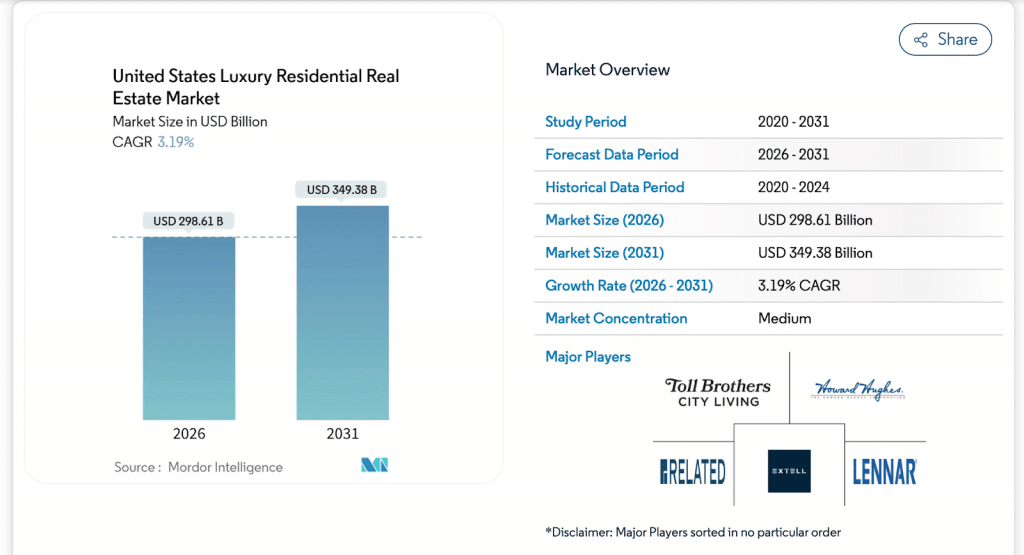
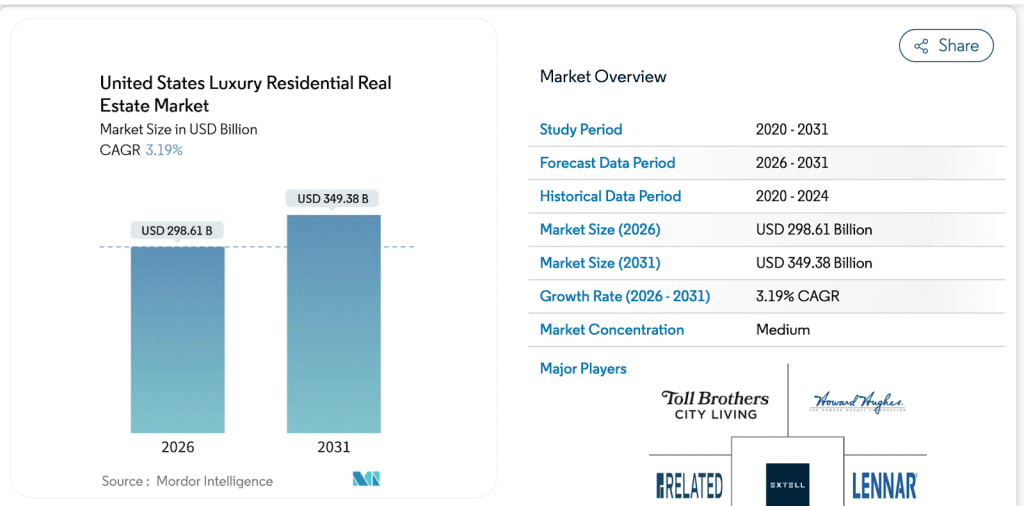
Industry outlooks suggest the U.S. luxury residential sector alone may exceed $298 billion by 2026, highlighting continued confidence even during slower transaction periods (Mordor Intelligence).

Off-market real estate deals and evolving transaction patterns shaping U.S. housing access

Rather than signaling volatility, early market signals often show how buyers and sellers are adapting to current conditions and adjusting their strategies over time.

How International Buyers Can Navigate Changing Deal Access

Preparation and perspective are becoming key advantages.

As more transactions move through quieter channels, international buyers may benefit from focusing on readiness rather than waiting for ideal headlines. Reviewing underwriting guidelines, documentation timelines, and financing structures in advance, including speaking with a lender about preapproval, can help reduce pressure when opportunities appear. Early preapproval does not commit buyers to a purchase, but it can provide clarity around budget, timelines, and next steps as market conditions evolve.

Institutional participants often prepare well before public momentum returns, and while international buyers operate at different scales, the principle of preparation remains relevant.

To learn more about cross-border financing strategies or speak with a specialist, visit America Mortgages, explore our Contact page, or email the team anytime at [email protected].

Frequently Asked Questions

Q1. What are off-market real estate deals?

A: Off-market real estate deals involve properties discussed or negotiated outside of the MLS (Multiple Listing Service), which is the primary system where most publicly marketed homes appear. These opportunities may arise earlier in the marketing process before a property is broadly listed. You can learn more about how the MLS works here.

Q2. Are off-market deals only for institutional investors?

A: No. While experienced investors often participate, international buyers can access similar opportunities by preparing financing early and working with knowledgeable professionals.

Q3. Why are off-market real estate deals becoming more common?

A: Changing market conditions, inventory constraints, and buyer caution are encouraging sellers and agents to explore quieter transaction channels.

Q4. Does this mean fewer homes are available publicly?

A: Not necessarily. Public listings still dominate the market, but off-market activity shows that transaction methods are evolving.

Q5. How can international buyers prepare for early market signals?

A: Understanding lending programs, timelines, and underwriting guidelines, and getting preapproved early, can help international buyers respond more confidently when suitable opportunities appear. Preapproval provides clarity around budget, documentation, and financing timelines without committing you to a purchase.

Q6. Are off-market deals riskier than traditional listings?

A: They can require more due diligence, but working with experienced professionals and lenders helps ensure transactions remain structured and transparent.

Q7. Do U.S. expats qualify for off-market transactions?

A: Yes. U.S. expats using programs like U.S. Expat Mortgage Loans may participate depending on property type and financial profile.

Q8. What role does financing play in early access to deals?

A: Prepared financing allows buyers to move confidently during negotiations, especially when timelines are shorter.

Q9. Should international buyers focus on off-market real estate deals?

A: Off-market deals are one part of the market landscape. Understanding them simply helps buyers interpret early signals and expand their perspective on access.

Institutional real estate investors entering the U.S. housing market ahead of retail buyers amid shifting mortgage trends

Why Wall Street Is Buying Before Buyers Return

Something unusual is happening in U.S. real estate right now.

While many everyday buyers are waiting for clearer mortgage rate signals, institutional real estate investors are already deploying capital. This early-cycle behavior isn’t new, but it’s becoming more visible as inventory remains tight, affordability pressures slow retail demand, and liquidity-rich buyers move ahead of the crowd.

For global investors, foreign nationals, and U.S. expats, understanding why institutional real estate investors act before the broader market can reveal where the next opportunities may emerge, and how financing strategies should adapt before competition returns.

Are Institutional Real Estate Investors Really Buying Before Retail Buyers?

Yes, and the data suggests this happens when financing conditions slow traditional demand.

Recent market research shows institutional buyers continue to account for a measurable portion of U.S. transactions, purchasing over 6% of homes nationally in some regions, with higher concentrations in select metros. 

At the same time, broader housing activity has softened because affordability remains a major challenge. Many homeowners are staying put due to historically low mortgage rates secured in previous years, limiting inventory and creating a “two-speed” market dynamic. 

This combination creates a window where institutional real estate investors face less competition, allowing them to negotiate more strategically and position themselves ahead of returning retail demand.

Why Do Institutional Real Estate Investors Move During Market Uncertainty?

Because uncertainty often creates the best entry conditions.

When mortgage rates rise or buyers hesitate, liquidity-driven capital doesn’t disappear, it shifts toward long-term positioning. Nearly one in three U.S. homes sold recently were all-cash transactions, highlighting how investors with access to capital can move faster when financing becomes restrictive. 

Institutional real estate investors typically focus on:

  • Markets with constrained inventory
  • Strong long-term fundamentals
  • Lifestyle or luxury segments supported by global wealth

Rather than waiting for headlines declaring a market recovery, these buyers accumulate assets quietly, often before price momentum returns.

What Does the Hamptons Example Really Tell Us About the Market?

The story isn’t just about luxury real estate, it’s about timing.

Recent housing coverage shows ultra-high-end markets experiencing price resilience despite slower overall activity. Tight inventory and cash-heavy buyers pushed median prices higher even as many traditional buyers paused.

This pattern reflects a broader truth: institutional real estate investors tend to move first in niche markets where supply scarcity protects long-term value.

And this trend isn’t limited to vacation markets. Across the U.S., housing supply remains constrained while demand shifts unevenly, creating pockets of opportunity before retail confidence returns.

Is the U.S. Housing Market Dividing Into Two Speeds?

Yes, and understanding this split helps explain investor behavior.

Recent industry outlooks suggest home prices may stabilize while transaction activity gradually improves through 2026. 

At the same time:

  • Some new homes are seeing price reductions due to affordability pressures
  • Resale inventory remains tight
  • Institutional buyers continue targeting selective opportunities

This creates two parallel markets:

  1. Liquidity-driven buyers: including institutional real estate investors and global wealth buyers.
  1. Rate-sensitive buyers: waiting for clearer financing conditions.

When these two speeds diverge, institutional real estate investors often gain the advantage by entering markets earlier.

Why Should Foreign Nationals and U.S. Expats Pay Attention Now?

Because early capital movement can signal where financing demand may rise next.

International buyers often assume they must wait for a “perfect” mortgage rate environment. However, institutional real estate investors rarely time the exact bottom of a cycle. Instead, they focus on long-term positioning while competition remains limited.

This aligns with trends we’ve discussed in guides like How to buy a second home in the us as a foreign national/ where cross-border buyers benefit from entering markets during quieter phases rather than peak demand cycles.

For overseas investors, this moment can offer:

  • Stronger negotiation leverage
  • Broader property selection
  • Less bidding competition

Understanding institutional behavior helps global buyers avoid chasing momentum later.

How Does Financing Strategy Change When Institutional Real Estate Investors Move First?

Financing becomes more strategic, not just cheaper.

Institutional real estate investors often use flexible capital structures, bridge financing, or portfolio-based lending to act quickly. For foreign nationals and expats, similar strategies may include:

  • DSCR investment loans
  • International mortgage programs
  • Asset-based lending structures

For example, buyers exploring U.S. expat mortgage loans or foreign national mortgage programs often benefit from preparing financing early, before retail demand accelerates.

As capital flows back into housing markets, underwriting guidelines may tighten, competition increases, and timelines become shorter. Acting early can create flexibility that disappears later in the cycle.

Does Institutional Investor Activity Mean the Market Is Booming Again?

No, and that’s the key insight.

Institutional real estate investors moving into a market does not automatically signal a broad housing boom. Instead, it often reflects:

  • Long-term confidence in supply-constrained markets
  • Expectations of future rate stabilization
  • Strategic positioning before retail buyers return

Luxury real estate alone is projected to remain a significant segment, with the U.S. luxury residential market expected to reach over $298 billion in 2026.

U.S. luxury residential market is expected to reach over 8 billion in 2026.

This growth shows that capital continues to flow into premium markets even during slower transaction cycles, reinforcing the idea that investors think in multi-year timelines, not short-term headlines.

What Is the Real Signal Global Investors Should Watch Right Now?

The real signal isn’t price spikes, it’s timing.

When institutional real estate investors increase activity during a slower retail cycle, it suggests confidence in long-term fundamentals rather than short-term speculation.

For global buyers, this may indicate:

  • Markets are transitioning toward a new phase
  • Financing strategies should be evaluated early
  • Competition could increase once mortgage rates stabilize

Rather than viewing institutional activity as a threat, overseas investors can treat it as an early indicator of shifting market sentiment.

How Global Buyers Can Prepare Before Institutional Demand Spreads

Institutional real estate investors rarely wait for headlines to confirm a market shift — they prepare financing, identify target markets early, and move when competition is still limited. For foreign nationals and U.S. expats, the same principle applies. Understanding your borrowing options, timelines, and underwriting guidelines before demand accelerates can create flexibility that many buyers lose later in the cycle.

If you’re exploring U.S. property as an overseas buyer, start by reviewing how international mortgage programs, DSCR investment loans, and cross-border financing structures work. Preparing early doesn’t mean rushing into a purchase, it simply ensures you’re positioned to act confidently when the right opportunity appears.

To explore your options or speak with a specialist, visit America Mortgages. Contact our team directly or email us anytime at [email protected].

Frequently Asked Questions

Q1. Why are institutional real estate investors buying homes now?

A: They often act during quieter periods because reduced competition allows better pricing and long-term positioning. Institutional buyers focus on fundamentals rather than short-term rate movements.

Q2. Does institutional buying make homes less affordable?

A: Not necessarily. Institutional purchases remain concentrated in specific markets and represent a relatively small share nationally, though they can influence local supply dynamics.

Q3. Should foreign nationals follow institutional real estate investors’ strategy?

A: Not blindly, but understanding where capital flows can help overseas buyers identify markets gaining long-term confidence before demand increases.

Q4. Are institutional investors only buying luxury properties?

A: No. While luxury markets attract attention, institutional real estate investors also target rental-focused and growth-driven regions depending on economic trends.

Q5. Will mortgage rates drop before retail buyers return?

A: Rates may stabilize gradually, but many institutional real estate investors enter markets before rates reach widely publicized lows.

Q6. Is this a sign of another housing boom?

A: Not necessarily. Institutional activity often reflects long-term strategy rather than immediate market acceleration.

Q7. How do institutional investors finance deals differently?

A: They typically use flexible capital sources, bridge structures, or portfolio financing, allowing faster execution compared to traditional mortgage processes.

Q8. What does this mean for U.S. expat buyers?

A: U.S. expats using programs like U.S. expat mortgage loans may find early-cycle markets offer better negotiating conditions before competition rises.

Q9. Should overseas investors wait or act now?

A: It depends on individual goals, but understanding how institutional real estate investors behave can help global buyers avoid entering markets only after prices begin accelerating again.

U.S. Real Estate Entering a New Phase Before Rates Fall

What You Will Learn

  • Why U.S. real estate affordability is quietly improving despite headlines
  • What recent mortgage market data reveals about inventory, rates, and buyer power
  • Why foreign national mortgage activity is increasing again
  • How expats and global investors position before market momentum returns
  • What this shift means for mortgages for foreign nationals and DSCR loan strategy

Is U.S. Real Estate Entering a New Phase Before Rates Fall?

Something unusual is happening across U.S. real estate markets right now.

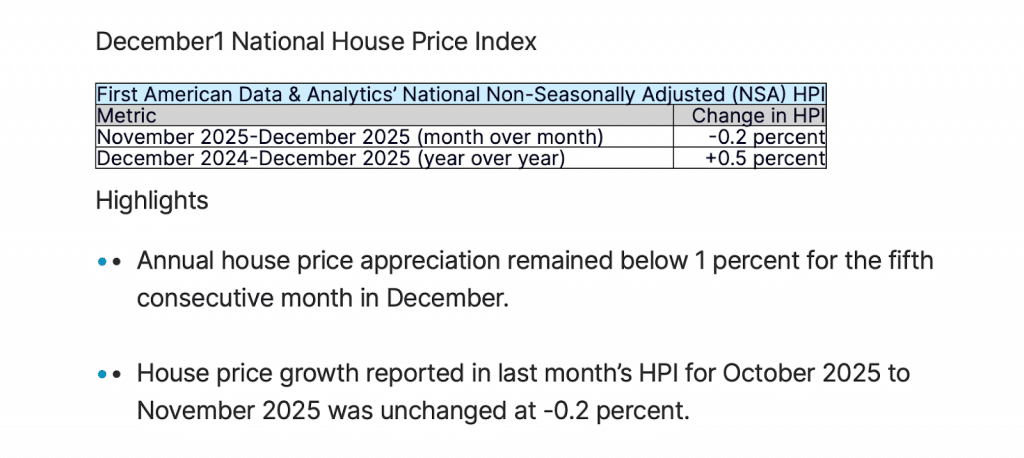
While headlines focus on affordability challenges, new mortgage market analytics research shows buyer conditions are quietly improving. Lower mortgage rates, slower price growth, and evolving inventory dynamics are reshaping the market beneath the surface.

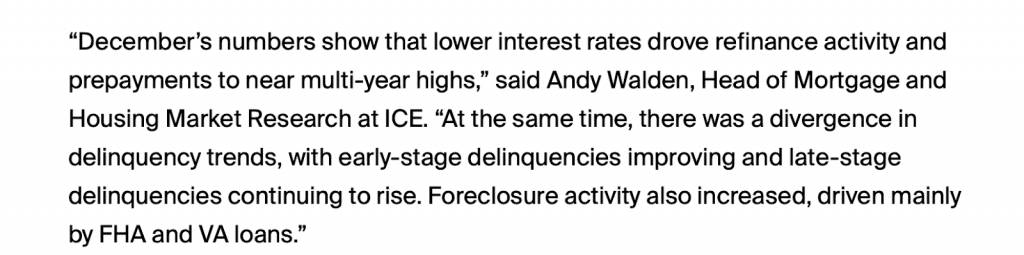
According to recent housing analysis highlighted in a CNBC discussion with analyst Andy Walden, prospective homebuyers are seeing “some of the best numbers in years” as affordability metrics stabilize and supply conditions shift.

U.S. Real Estate Is Quietly Resetting

This does not mean the market has become easy. But it does signal that U.S. real estate may be moving into a transitional phase before broader rate cuts arrive.

What The Data Reveals About Today’s U.S. Real Estate Market

The latest mortgage market data provides critical context behind this quiet shift.

Key findings include:

  • Affordability improving to multi-year highs as mortgage rates ease and price growth cools
  • Home price growth slowing toward roughly 2–3% annually across many markets
  • Inventory improving in several regions, creating more balanced conditions
  • Nearly 95% of markets showing slight affordability improvement year-over-year

Additional analysis shows:

  • Inventory levels increased significantly compared to prior years, reducing bidding pressure
  • Debt-to-income ratios among new borrowers fell to the lowest level in over two years
  • Buyer profiles shifted toward stronger credit quality, suggesting cautious but serious demand.

This combination is quietly reshaping U.S. real estate, especially for global buyers watching from overseas.

Why Foreign Nationals Are Watching U.S. Real Estate Closely Again

Foreign investors tend to move early, not late.

When affordability stabilizes and inventory expands slightly, international buyers often return before domestic demand fully rebounds.

Recent market commentary suggests foreign buyer activity is already improving as global investors seek:

  • Dollar-denominated assets
  • Rental-driven DSCR loan for investment property opportunities
  • Long-term stability compared to volatile global markets

For foreign nationals, this shift in U.S. real estate creates an unusual window:

How Inventory Growth Is Changing Buyer Strategy in U.S. Real Estate

Inventory trends may be the most misunderstood signal in today’s market.

While listings rose in many regions, supply remains structurally tight compared to pre-pandemic levels. Analysts estimate the U.S. still faces a multi-million-home deficit despite gradual normalization. 

What does that mean?

More choice than last year
But not enough supply to suppress long-term price growth

This is why U.S. real estate may feel calmer today, even though underlying fundamentals remain strong.

Are Mortgage Conditions Improving Faster Than Headlines Suggest?

Mortgage affordability has improved more than many investors realize.

Recent housing data suggests:

  • Monthly payment pressure easing slightly as rates stabilize
  • Price growth moderating instead of accelerating
  • Buyers regaining negotiating leverage in select metros

In practical terms, this creates a rare alignment:

  • Buyers see improving conditions
  • Sellers remain cautious
  • Competition stays relatively manageable

For foreign national loans and US expat investing strategies, this is often the phase where experienced investors position early.

Bank vs Private Lender for Mortgage: Why Strategy Matters in This Market

One of the biggest mistakes global buyers make is assuming all lenders behave the same.

Traditional banks often tighten underwriting guidelines during uncertain transitions, even when market fundamentals improve.

Private and specialist foreign national mortgage lenders, however, focus more on:

  • Asset strength
  • Rental cash flow
  • Global income profiles

This distinction becomes critical during transitional phases in U.S. real estate, when opportunities exist but domestic underwriting models remain conservative.

Why DSCR Financing Is Quietly Gaining Momentum Again

DSCR loan for investment property activity tends to rise during early market recoveries.

Why?

Investors often position themselves based on income potential rather than waiting for rate headlines to confirm market direction. As affordability metrics improve and inventory stabilizes, DSCR structures give foreign nationals a practical way to enter the market before widespread buyer competition returns.

Instead of relying on personal credit history, these loans allow investors to focus on property cash flow while building portfolios during periods when the market still feels slow. This approach has appeared repeatedly across previous U.S. real estate cycles, particularly during early transition phases.

The Real Shift: Psychology, Not Just Numbers

The biggest change happening right now may be psychological. 

Markets often begin moving before the public narrative fully shifts, and early signals tend to appear in subtle data trends rather than bold headlines. When analysts start pointing to improving affordability or describing conditions as the “best numbers in years,” experienced investors recognize that the earliest phase of a new cycle may already be forming beneath the surface.

In U.S. real estate, this stage usually arrives quietly. Headlines may still reflect caution, yet underlying metrics begin to stabilize and confidence gradually rebuilds. It is also the period when institutional and international capital slowly returns, positioning ahead of broader market momentum while many buyers are still waiting for clearer confirmation.

What This Means for U.S. Expats and Foreign National Mortgage Strategy

For U.S. expats, especially those planning second homes, documentation requirements remain a critical part of the financing process. Even when borrowers qualify using foreign income, U.S. tax returns are generally required under owner-occupied underwriting guidelines, making preparation and compliance just as important as market timing.

For foreign nationals focused on investment property, the landscape looks different. Foreign national loans continue to offer one of the most flexible entry points into U.S. real estate, particularly when paired with DSCR structures that evaluate rental performance instead of personal income. In this environment, strategic timing often matters more than trying to predict the exact moment rates change. The key takeaway is simple: the market rarely announces opportunity loudly.

Conclusion: Why U.S. Real Estate Is Quietly Resetting

The current data does not signal a dramatic boom. But it does reveal something more important: a gradual shift in market mechanics.

  • Affordability improving
  • Inventory stabilizing
  • Foreign buyer interest rising
  • Mortgage structures evolving

This combination suggests U.S. real estate may be entering a positioning phase, where disciplined investors move before momentum becomes obvious.

America Mortgages continues to support foreign nationals and U.S. expats with financing strategies aligned to global income profiles, flexible underwriting guidelines, and cross-border real estate goals. To discuss your options, contact us at [email protected], or speak directly with our team at +1 (845) 583-0830 about structuring the right financing strategy for your next U.S. property.

Frequently Asked Questions

Q1. Is U.S. real estate becoming more affordable in 2026?

A: Affordability has improved slightly due to moderating price growth and stabilizing mortgage rates. Recent mortgage market data shows many markets seeing better buyer conditions compared to recent years.

Q2. Why are foreign nationals investing in U.S. real estate again?

A: Global investors often return during transitional markets when competition is lower. Stabilizing inventory and flexible foreign national mortgage programs are driving renewed interest.

Q3. What does recent mortgage market data suggest about current housing trends?

A: Research highlights improving affordability metrics, slower price growth, and changing supply dynamics that are reshaping buyer behavior across U.S. real estate.

Q4. Are DSCR loans still popular for foreign investors?

A: Yes. DSCR loan for investment property strategies remain attractive because qualification depends on rental income rather than personal financial profiles.

Q5. Should expats wait for rate cuts before buying U.S. property?

A: Many investors position before rate cuts occur because competition often increases once affordability headlines become mainstream.

Q6. Is inventory increasing in the U.S. housing market?

A: Inventory has improved in several regions, giving buyers more negotiating power, although long-term supply shortages still exist.

Q7. Do foreign national mortgage lenders require U.S. credit?

A: Not always. Many mortgages for foreign nationals rely on asset strength, liquidity, and rental performance instead of traditional U.S. credit scoring.

Q8. How does bank vs private lender for mortgage impact approval?

A: Banks often follow stricter secondary-market underwriting guidelines, while specialist lenders may offer more flexible structures for global borrowers.

Q9. Is now a good time to consider U.S. real estate investment?

A: Markets showing improving affordability and stable inventory often represent early positioning phases, but timing depends on strategy, financing structure, and investment goals.

U.S. real estate before Fed rate cuts

What You Will Learn

  • Why U.S. real estate markets move before Fed rate cuts are announced
  • How a new Fed chair can shift buyer demand and pricing expectations
  • Why foreign nationals and U.S. expats are positioning early
  • How DSCR loans and refinancing strategies create compounding growth
  • What happens to buyers who wait until rates officially fall

The Calm Before the Shift

Change is coming to the Federal Reserve. With Jerome Powell‘s term ending and Kevin Warsh positioned as the likely successor, the monetary policy landscape is poised for a significant pivot . For foreign nationals and U.S. expats watching the American real estate market, this transition represents more than political theater, it signals a potential inflection point that savvy investors are preparing to exploit.

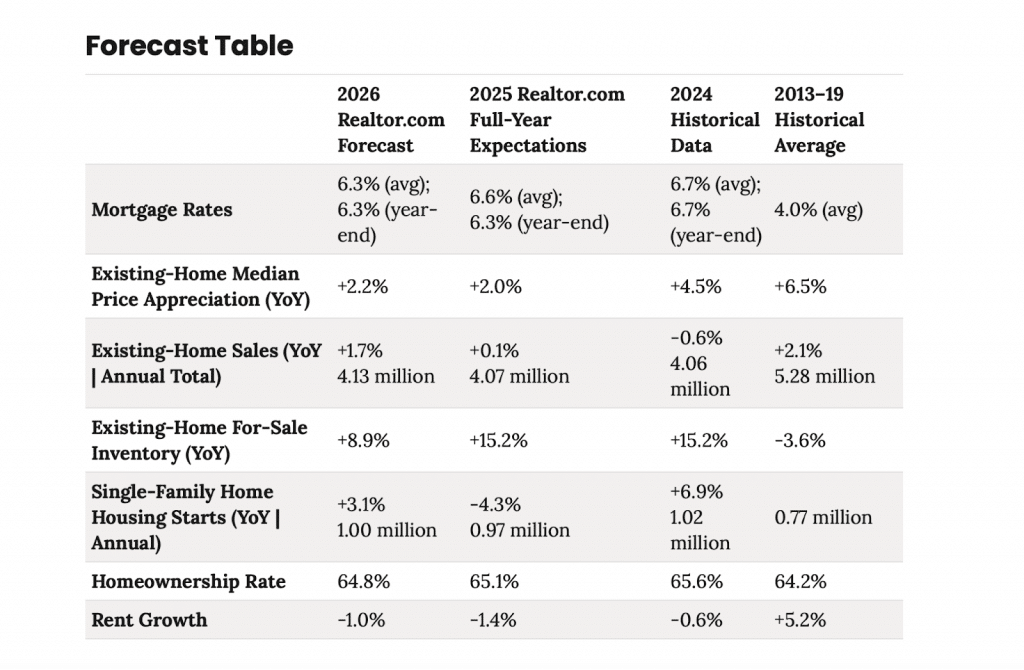
The consensus among economists points toward rate cuts in 2026, with forecasts suggesting two quarter-point reductions later this year. But here’s what the headlines won’t tell you: by the time the Fed announces cuts, the window for optimal positioning may already be closing.

Understanding the Market Mechanics

When interest rates decline, U.S. real estate doesn’t gradually warm, it heats up rapidly. The mechanism is straightforward but brutal in its efficiency:

  1. Rate Drop → Affordability Surge – Lower rates mean lower monthly payments, suddenly bringing previously priced-out buyers into the market.
  2. Inventory Crunch – Sellers who held off listing during high-rate periods remain hesitant. Supply stays constrained while demand explodes.
  3. Price Acceleration – Basic economics takes over. More buyers competing for fewer properties drives prices upward, often dramatically.
  4. Seller’s Market Emerges – Within months, negotiating power shifts entirely. Cash offers dominate. Contingencies disappear. The buyers who waited find themselves in bidding wars they can’t win.

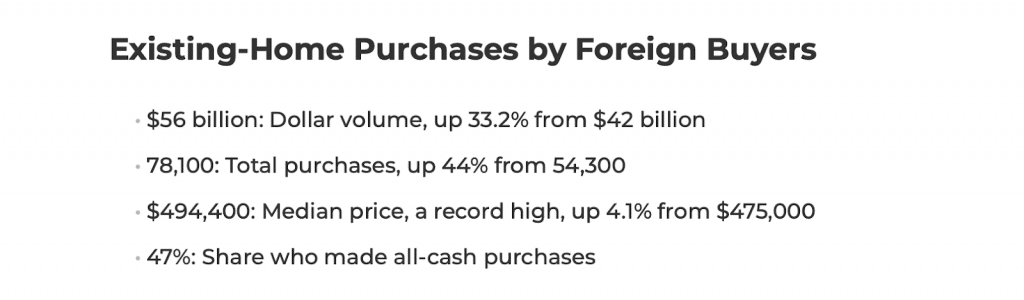
Historical data from the National Association of Realtors shows foreign buyer activity is already rebounding, up 44% year-over-year to 78,100 properties purchased, totaling $56 billion in volume. 

Understanding the Market Mechanics

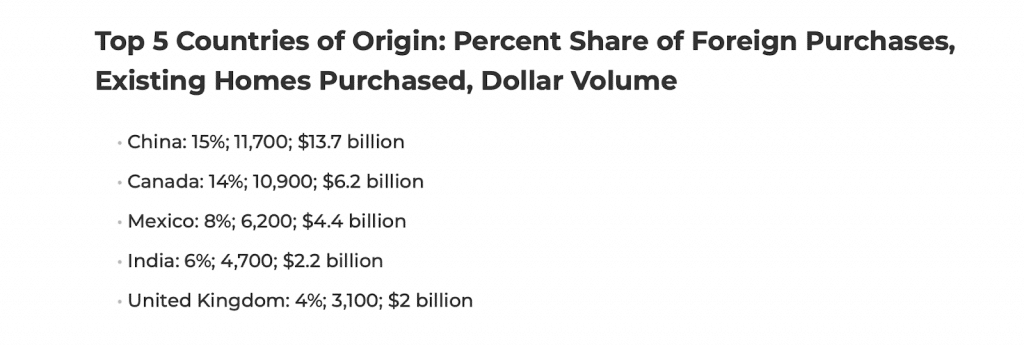
Chinese, Canadian, and Mexican buyers are leading the charge, targeting Florida, California, and Texas. This is pre-thaw activity. When rates actually drop, this volume will surge.

Top 5 countries for percent share of property purchases

The Instant Equity Opportunity

Smart investors understand that real wealth isn’t created by timing the market perfectly, it’s created by positioning before the crowd arrives. Buying now, before rate cuts materialize, offers a rare convergence of advantages:

  • Negotiating Power: Sellers are currently motivated. Offers below asking price are still possible. Inspection contingencies remain on the table.
  • Selection: Inventory, while limited, hasn’t been decimated by the coming buyer rush. You can afford to be selective about location, property condition, and cash flow potential.
  • Immediate Appreciation: When rates drop and prices rise, the equity you capture isn’t gradual, it’s immediate. A property purchased at $500,000 today could appraise at $550,000 or higher within 12-18 months of a rate-cut-fueled surge.
  • Refinancing Leverage: Once you’ve captured that equity and rates have fallen, America Mortgages’ cash-out refinance programs allow you to access that trapped capital. The proceeds can fund your next acquisition, creating a compounding portfolio growth cycle while others are still trying to qualify for their first purchase.

The Refinancing Roadmap

This isn’t speculation, it’s a repeatable strategy. Here’s how it unfolds:

Phase 1:

Acquisition (Now) Secure financing through America Mortgages’ foreign national or U.S. Expat programs. Lock in today’s prices while competition remains manageable.

Phase 2: 

Appreciation (6-18 months) As rates drop and the market heats, your property value increases. The Fed’s anticipated cuts will likely trigger this phase in late 2026 or early 2027 .

Phase 3: 

Refinance (Rate-dependent) When rates hit your target threshold, refinance into a lower-rate mortgage. America Mortgages offers competitive refinancing for foreign nationals, even those using international income or without extensive U.S. credit history.

Phase 4: 

Portfolio Expansion (Ongoing) Use cash-out proceeds as down payments on additional properties. Each cycle builds equity faster than the last, creating a self-sustaining investment engine.

How Long Will This Window Last?

Historical patterns suggest 12-18 months from the first rate cut to full seller’s market conditions. But this cycle may compress further. Foreign buyer volume is already recovering . Domestic buyers are waiting on the sidelines with pent-up demand. When the Fed signals certainty, the dam breaks.

The new chairman’s appointment itself may trigger market movement before any actual policy change. Markets are forward-looking, and the expectation of dovish policy under Warsh could accelerate buyer behavior even without immediate rate reductions.

America Mortgages: Your Partner in This Window

Foreign nationals and US Expats face unique financing challenges that intensify when markets move fast. Traditional lenders often can’t move quickly enough, or they simply don’t understand cross-border income, international credit profiles, or the urgency of time-zone-constrained decisions.

America Mortgages specializes in exactly these scenarios. Our loan programs are built for investors who need speed, flexibility, and expertise:

DSCR Loans (Debt Service Coverage Ratio) The cornerstone program for foreign investors. We qualify based on the property’s rental income potential, not your personal tax returns or U.S. credit score. If the numbers work, rent covers the debt service with a healthy margin … YOU QUALIFY! This eliminates the documentation bottlenecks that kill deals in competitive markets. America Mortgages even offers no ratio DSCR loans … one of the first lenders in the market to offer!

  • No U.S. tax returns required
  • No U.S. credit history needed
  • Qualify on projected rental income (long-term or short-term/AirDNA verified)
  • Up to 75% LTV on purchases and 65% LTV on an equity release cash-out program
  • No limit on the amount of 75%LTV loans you can have, giving you the opportunity to build a portfolio of properties quick, easy and successfully
  • Cash-out refinancing available for portfolio growth

Foreign National Programs For investors without U.S. residency or green cards, we offer pathways that traditional banks simply don’t have:

  • Valid passport
  • No US credit required 
  • Bank statements from home country for asset verification (two months)
  • No Social Security Number required
  • LLC borrowing structures available for asset protection
  • Competitive rates despite non-traditional qualification

Green Card & Visa Holder Financing If you hold U.S. residency but earn income abroad, we solve the income verification problem:

  • International income accepted with proper documentation
  • Flexible debt-to-income calculations
  • Rapid pre-approval process to strengthen offers

Cash-Out Refinancing The engine of portfolio expansion. When your property appreciates and rates drop, access that equity:

  • Refinance your existing US properties
  • Cash-out proceeds for additional down payments
  • No restriction on number of properties financed
  • Streamlined process for existing America Mortgages clients

The Cost of Waiting

Consider the mathematics of hesitation. A $600,000 property today, appreciating 8-10% annually in a heated market (conservative by historical post-rate-cut standards), becomes $648,000-$660,000 within a year. That’s $48,000-$60,000 in lost equity, plus the higher mortgage payments from purchasing at elevated prices with potentially higher rates if you miss the refinancing window.

More critically, you lose the compounding effect. That first property’s equity, leveraged through cash-out refinancing, could fund a second property. That second property generates its own equity and cash flow. The investor who starts now has two properties working by the time the latecomer closes on their first.

Action Steps: Seizing the Moment

The new Fed chairman will take office. Rates will likely fall. The market will shift. These are near-certainties. What remains uncertain is your position when it happens.

  1. Get pre-qualified now. America Mortgages can issue pre-approval letters within 24-48 hours, strengthening your offers in any competitive situation.
  2. Identify target markets. Focus on rental-friendly metros with strong job growth, Florida, Texas, Arizona, and select Southeast markets where foreign buyer activity is already concentrated. Don’t have a US Realtor, no problem. We have vetted US real estate agents that can assist with finding that perfect property.
  3. Analyze cash flow, not just appreciation. Use our DSCR calculations to ensure properties remain profitable even if market conditions shift unexpectedly.
  4. Plan your refinancing trigger. Identify the rate threshold that makes refinancing attractive, and monitor markets with us.
  5. Prepare for speed. In a heating market, the ability to close quickly, something America Mortgages prioritizes, often matters more than offer price.

Conclusion

The intersection of a new Fed chairman, anticipated rate cuts, and an already-recovering foreign buyer market creates a rare alignment for U.S. real estate investors. The buyers who recognize this moment, not in hindsight, but now, will look back on this decision as the inflection point that built their portfolio.

The question isn’t whether the market will shift. It’s whether you’ll be positioned to profit when it does.

America Mortgages has financed over $500 million in foreign national and expat real estate transactions. We understand the urgency of cross-border investing and the complexity of timing international markets. When you’re ready to move, we’re ready to move with you.

Contact America Mortgages on site or call us directly at +1 (845) 583-0830 today to discuss your U.S. real estate financing strategy before the window closes.

Frequently Asked Questions

Q1. Is now a good time to buy U.S. real estate before interest rates fall?

A: Yes. Buying before rate cuts often delivers the strongest upside. Lower rates bring more buyers into the market, pushing prices higher, while early buyers benefit from today’s pricing and stronger negotiating leverage.

Q2. How do Federal Reserve rate cuts affect U.S. home prices?

A: Rate cuts typically trigger a surge in buyer demand. When affordability improves and inventory stays tight, prices rise faster and competition increases, reducing leverage for buyers who wait.

Q3. Will a new Fed chairman change the U.S. real estate market?

A: Markets react to expectations, not just policy changes. Anticipation of a new Fed chairman and potential rate cuts can move mortgage rates and buyer behavior before any official announcement.

Q4. Can foreign nationals buy U.S. real estate before rates drop?

A: Yes. Foreign nationals can legally buy and finance U.S. real estate without residency, a Social Security Number, or U.S. credit, using mortgage programs designed for international buyers.

Q5. Can foreign investors get a U.S. mortgage without U.S. credit or tax returns?

A: Yes. Many foreign investors qualify through DSCR loan programs that rely on property rental income rather than personal income, U.S. tax returns, or domestic credit history.

Q6. What is a DSCR loan and why is it popular with foreign buyers?

A: A DSCR loan qualifies borrowers based on rental income instead of personal finances. It’s popular with foreign buyers because it minimizes documentation and supports faster portfolio growth.

Q7. Is it better to buy now and refinance later when rates drop?

A: Often, yes. Buying early can lock in a lower price, then refinancing later may improve cash flow and unlock equity once rates fall and values increase.

Q8. How soon after a rate cut can investors refinance?

A: Refinancing usually becomes viable within 6–18 months, depending on appreciation, rate movement, and lender guidelines. Planning the refinance strategy early is key.

Q9. What happens if I wait until after rates are cut to buy?

A: Waiting often means higher prices, more competition, and fewer contingencies. Many buyers end up paying more and miss the chance to leverage early appreciation for portfolio growth.

U.S. property for UK buyers explained using GBP USD exchange rate and housing price comparisons

Why U.S. Property Looks Cheaper to UK Buyers Right Now

U.S. property for UK buyers is showing renewed appeal in 2026 for a mix of currency, pricing, and housing market dynamics. That doesn’t mean U.S. homes are actually cheap, it means that when viewed through the lens of the British pound and wider market trends, the entry math can look more attractive than it has in recent years. This difference isn’t random; it’s measurable and backed by authoritative indicators.

What You Will Learn

  • How U.S. property for UK buyers becomes more affordable in GBP terms
  • What the latest GBP/USD exchange rate trends mean for buying power
  • How U.S. housing market data supports negotiating leverage
  • Why financing structure matters as much as price
  • Market fundamentals that influence long-term investment outcomes

How Currency Movements Affect Purchasing Power

Foreign exchange is one of the strongest drivers of perceived price changes for overseas buyers.

U.S. real estate is priced in USD, but UK buyers typically fund purchases in GBP. When the British pound strengthens versus the dollar, each pound buys more dollars, reducing the effective GBP cost of a U.S. purchase.

According to the Federal Reserve’s FRED database, the GBP/USD rate moved into the mid-$1.30s in early 2026, meaning UK buyers get more dollars for each pound than in recent years. This increases purchasing power without any actual change in U.S. list prices.

This FX effect can reduce the GBP cost of:

  • Down payments
  • More affordable closing costs
  • Post-closing liquidity

It’s why U.S. property for UK buyers can “look cheaper” in real terms.

Are U.S. Home Prices Actually Easy to Buy Right Now?

Contrary to some perceptions, U.S. home prices have not collapsed. Instead, there are two key trends shaping market conditions:

Slower Price Growth

Industry price indices show that annual U.S. house price growth is very modest, often under 1%, suggesting a plateau rather than a spike.

This relatively slow growth provides negotiating opportunities that were less common in the rapid-appreciation years of the early 2020s. 

Improving Buyer Affordability Forecasts

Forecasts from national housing research indicate modest price increases and improved affordability indicators in 2026. With average mortgage rates projected in the mid-6% range, housing affordability is expected to improve slightly compared with earlier years where rates were higher and buyers were priced out.

Together, these trends help explain why U.S. property for UK buyers can feel more accessible now than it did even a couple of years ago.

How UK Housing Trends Compare

Understanding how UK home prices and mortgage conditions are evolving helps frame the comparative advantage.

Indexed price data from UK housing statistics shows that after a period of modest annual growth, average UK house prices are stabilizing, with some forecasts calling for 2–4% increases in 2026. This illustrates moderate growth, but not runaway price gains. 

When rates and entry costs don’t move in sync globally, even a small currency swing can make U.S. property for UK buyers look relatively more attractive, especially for buyers seeking value in markets outside the highest tier.

What the National Market Data Suggests

The U.S. housing market remains influenced by structural supply constraints and demand patterns:

For UK buyers, this combination, milder price growth + slightly better buyer leverage, can make U.S. markets feel more accessible compared to tight UK housing conditions.

Where UK Buyers Often Look First (How They Think, Not Just Where)

There is no single “top city” for UK buyers. Instead, U.S. property for UK buyers is typically shortlisted using fundamentals rather than headlines.

In practice, UK buyers tend to focus on markets where:

  • Rental demand is consistent and diversified
  • Resale liquidity is supported by high transaction volume
  • Property management infrastructure is mature
  • Market depth allows operational ease for overseas owners

This framework helps explain why certain U.S. cities repeatedly appear in searches and buyer shortlists.

For buyers who want a deeper, city-specific example of how this thinking applies in practice, the guide on investing from the UK: property investment and financing in New York provides useful context on how market fundamentals, liquidity, and financing intersect.

Which U.S. Cities Look Most Attractive to UK Buyers Right Now?

For U.S. property for UK buyers, cities that combine rental demand, resale liquidity, and financing-friendly property types tend to stand out more than purely “hot” markets. Based on transaction depth, tenant demand, and international buyer activity, several U.S. cities consistently meet these criteria.

Cities UK Buyers Commonly Evaluate First

New York City

High global liquidity, deep rental demand, and strong long-term resale depth. Often favoured by UK buyers seeking capital preservation and transparency, especially in established neighbourhoods and professionally managed buildings.

Miami

Strong international buyer participation, year-round rental demand, and familiarity with foreign ownership structures. Currency-driven buyers often focus here when entry math improves.

Orlando

Popular with UK buyers targeting rental-focused strategies due to consistent tenant demand, clear property management infrastructure, and pricing that is often easier to underwrite than major coastal metros.

Dallas

Large, diversified employment base and steady population growth. Frequently evaluated by UK buyers looking for balance between rental yields and long-term resale liquidity.

Atlanta

Strong domestic migration trends, comparatively lower entry pricing, and high rental absorption. Often fits “math-first” investment criteria rather than prestige-driven buying.

Why These Cities Show Up in Searches for UK Buyers

For U.S. property for UK buyers, these cities tend to perform well because they offer:

  • Active rental markets with broad tenant pools
  • Transaction volume that supports reliable exit pricing
  • Property types that align with non-resident financing programs
  • Operational ease for overseas owners (management, insurance, taxes)

This is why search queries such as “best U.S. cities for UK buyers” or “where UK investors buy property in the USA”often surface these locations.

These cities are starting points, not recommendations. Outcomes still depend on:

  • neighbourhood-level economics
  • total ownership costs
  • financing structure and documentation readiness

For UK buyers, the city matters, but structure determines success.

Does Financing Structure Make a Difference?

Yes. For U.S. property for UK buyers, financing is often the deciding factor between a perceived currency advantage and a realized advantage.

Rather than converting all capital up front, many overseas buyers:

  • utilise mortgage financing to control the USD asset
  • preserve GBP liquidity for renovation, vacancy buffers, or future acquisitions
  • reduce concentrated currency risk

This is why guides like how a UK citizen can buy a house in the U.S. add so much practical value: they outline how the financing path frequently determines whether a currency advantage survives underwriting.

Challenges UK Buyers Still Face

Despite improved currency purchasing power, UK buyers still encounter structural hurdles:

  • Some banks apply strict underwriting based on domestic documentation profiles
  • Foreign status often requires specialist lenders or alternative documentation structures
  • Default banks may reject applications because they aren’t designed for international income profiles

Understanding this reality helps UK buyers plan early, aligning documentation and lender selection before shopping seriously. This structural approach reduces delays and increases approval success.

Summary: What “Cheaper” Really Means for UK Buyers

U.S. property for UK buyers can seem cheaper right now, but not because U.S. prices plunged.
It’s the result of:

  • A stronger British pound for dollar conversions
  • Slower price growth and modest affordability improvement
  • Slight recovery in buyer leverage and inventory conditions
  • Financing strategies that preserve liquidity and reduce risk

This combination changes the real cost picture, especially for buyers who plan strategically rather than react to headlines.

Frequently Asked Questions

Q1: What does “U.S. property for UK buyers looking cheaper” actually mean?

A: It means that when you convert GBP to USD at current exchange rates, the real cost measured in pounds is lower than it was when GBP was weaker, making effective entry costs feel more affordable.

Q2: Are U.S. home prices falling?

A: No. National price indices show only modest growth, not declines. What’s changed is buyer leverage and currency effects that make the effective cost feel lower.

Q3: How does the GBP/USD rate affect down payments?

A: A stronger pound buys more dollars, meaning the same down payment amount in dollars costs fewer pounds, reducing entry cost in GBP terms while the USD price stays stable.

Q4: Is now objectively the best time for UK buyers to enter the U.S. market?

A: “Best” depends on individual goals. Currency helps entry math, but long-term investment outcomes still rely on rent demand, operating costs, and market selection fundamentals.

Q5: Why does financing structure matter for UK buyers?

A: Because how you finance affects how much capital you convert up front, how much liquidity you preserve, and how your documentation fits lender expectations.

Q6: Can all UK buyers get U.S. mortgage approval easily?

A: Not always. Some traditional banks are not structured for international borrowers. Specialist lenders or alternative documentation pathways often improve approval chances.

Q7: Which U.S. areas tend to work best for UK buyers?

A: Markets with strong rental demand, deep resale liquidity, and straightforward operational dynamics (like efficient management and predictable costs) tend to work best.

Q8: Should UK buyers convert all their GBP to USD at once?

A: It depends on your tolerance for FX risk and your financing plan. Many convert only down payment and reserves, keeping liquidity in GBP to manage risk.

Q9: What’s the first step UK buyers should take if they want to act this year?

A: Begin with financing clarity and documentation preparation so your lender profile matches the markets you target. That strategy reduces surprises and speeds closing.

Currency strength for Israeli buyers impacting U.S. real estate prices, financing, and purchasing power
100 euro banknote close-up. Finance concept. Money background. High quality photo

Why Currency Strength Is Changing the Math for Israeli Real Estate Buyers

Currency strength is becoming one of the most practical advantages for Israeli property buyers in today’s cross-border real estate market. Because U.S. real estate is priced in dollars, a stronger shekel can materially reduce the effective home-currency cost of acquiring the same property.

This shift influences more than just headline prices. It affects down payments, reserve requirements, and how much liquidity buyers retain after closing. However, currency strength alone is not enough. Its real impact depends on financing structure, timing, and how documentation is prepared.

This guide explains how currency movements are changing the math for Israeli buyers, where that advantage tends to matter most, and how to avoid the structural mistakes that often neutralize it.

What You Will Learn

  • What currency strength actually changes for Israeli U.S. buyers (and what it doesn’t)
  • How the USD/ILS exchange rate impacts your down payment, reserves, and total cash required
  • Why “math-first” markets (rental yield + liquidity) benefit most from currency-driven purchasing power
  • How financing can amplify currency strength for Israeli U.S. buyers without increasing friction
  • Which planning moves to do early (pre-approval, reserves, tax coordination) to protect the advantage

What does “currency strength” mean for Israeli property buyers in plain terms?

Currency strength means your shekels buy more dollars than before, so the same U.S. home can cost less in shekel terms, even if the U.S. list price didn’t change.

A simple way to think about it: U.S. homes are USD assets. When the shekel strengthens against the dollar, currency strength for Israeli buyers lowers the effective cost of the down payment and often makes reserve requirements easier to satisfy.

For historical context, the Federal Reserve’s FRED series (OECD data) shows the annual average USD/ILS rate moving from 3.700 in 2024 to 3.452 in 2025 (fewer shekels per dollar implies a stronger shekel).

How does currency strength change the real math on a U.S. purchase?

It changes three “money moments”: down payment, cash reserves, and post-closing liquidity.

Here’s what typically shifts for currency strength for Israeli U.S. buyers:

  1. Down payment conversion
    If you planned a 25% down payment, a stronger shekel means you need fewer ILS to produce the same USD amount.
  2. Reserves (what lenders want to see)
    Many foreign national programs require documented reserves (e.g., several months of payments). Currency strength can make meeting that threshold easier, if your documentation is clean.
  3. Liquidity after closing
    When FX is favorable, buyers can preserve more liquid capital for renovations, vacancy buffers, or a second acquisition.

Why are Israeli property buyers paying attention to currency strength right now?

Because FX is a near-term lever you can measure, while property cycles are slower and harder to time.

Reuters reported that the shekel reached around four-year highs against the dollar, with Bank of Israel Governor Amir Yaron pointing to economic resilience and exports as supportive fundamentals.

The takeaway for currency strength for Israeli U.S. buyers is not “predict the dollar.” It’s: if purchasing power improved, you plan your capital deployment more efficiently, especially if you use financing.

Does currency strength matter equally in every U.S. market?

No. Currency strength helps most where rentability, liquidity, and financing fit are strong.

Currency strength for Israeli buyers tends to be most meaningful in markets that offer:

  • Solid rent-to-price fundamentals (yields that still make sense after costs)
  • Deep resale liquidity (lots of comparable sales; easier exit)
  • Financing-friendly property types (standard single-family or clean condos where allowed)
  • Remote ownership practicality (property management availability, landlord-friendly operations)

This connects directly to broader U.S. supply-demand fundamentals. Freddie Mac estimates the U.S. housing market remains undersupplied by about 3.7 million units (as of late 2024), which supports long-run demand pressure in many regions.

What are the best places to buy in the U.S. for an Israeli buyer—based on “math-first” criteria?

The “best places” are typically the ones where currency-driven buying power meets strong rental demand and easy resale, rather than hype markets.

Instead of a generic “top 10 cities,” here’s a decision framework that matches what searchers mean by “best places to buy in the US for an Israeli”:

1) Best for rental-focused buyers who want cleaner exit liquidity

Look for diversified job markets, steady in-migration, and consistent rental absorption.

Examples often include high-demand metros in Florida and Texas because transaction depth and tenant demand tend to stay active (market selection still depends on neighborhood-level economics).

2) Best for first-time overseas buyers who value simplicity

Prioritize markets where property management is mature, insurance/taxes are predictable, and comps are plentiful.

This reduces “remote-owner friction,” which is often the real hidden cost.

3) Best for higher-budget buyers with long-term horizon

High-liquidity, globally recognized metros can work well, but only when costs and HOA rules are fully understood upfront.

If you’re looking at premium segments, compare your assumptions with how America Mortgages frames investor demand and cycle dynamics in its broader market analysis (see the discussion around long-term trends and buyer behavior in this housing trends breakdown: Housing Trends (Global Buyer)).

How can financing amplify currency strength for Israeli U.S. buyers?

Financing lets you control a USD asset while preserving ILS liquidity, so you don’t “spend” all your currency advantage upfront.

Currency strength for Israeli property buyers is strongest when financing is structured early, because:

  • You convert only the down payment + reserves, not 100% of the purchase price
  • You keep liquid capital for vacancies, renovations, or a second purchase
  • You reduce the risk of over-committing cash at one moment in the FX cycle

If you want a step-by-step roadmap for planning and documentation, use this financing guide as your process checklist: Secure Your U.S. Mortgage.

What mistakes erase the currency advantage for Israeli U.S. buyers?

The biggest errors are not FX errors, they’re documentation and structure errors.

Common pitfalls:

  • Starting property shopping before pre-approval (then rushing documentation)
  • Showing assets that aren’t truly liquid (or not correctly evidenced)
  • Ignoring “total cost of ownership” (taxes, insurance, HOA, maintenance)
  • Assuming longer-term affordability products fix pricing pressure

For example, if you’re hearing about very long-term amortization products, understand how those can interact with affordability and price dynamics by reading 50-Year Mortgage and Higher Prices, it’s a useful lens for separating “monthly payment talk” from real total-cost math.

How should Israeli buyers coordinate tax planning with a U.S. purchase?

Get cross-border tax clarity early, because ownership structure can affect reporting, liability, and long-term planning.

Many international buyers coordinate with tax professionals on:

  • Rental income reporting approach
  • Ownership structure (individual vs entity)
  • Deductible expenses and documentation standards
  • Future exit planning (sale timing, inheritance considerations)

For a practical starting point, America Mortgages’ reference guide to accounting considerations is a helpful baseline: Best Expat Accountants for Americans Living Abroad (2026).

Data snapshot: what the numbers say about the opportunity

MetricWhat it indicatesSource
USD/ILS annual average: 2024 = 3.700, 2025 = 3.452Shekel strengthened vs USD on an annual-average basisFRED USD/ILS
U.S. housing undersupply: ~3.7M unitsStructural demand pressure remains in many marketsFreddie Mac
Foreign buyers: $56B in U.S. existing homes (Apr 2024–Mar 2025)International demand is active againNAR press release

How America Mortgages fits into currency-driven planning

We help you translate currency strength into a clean financing plan, so the advantage shows up at closing, not just on paper.

Start with the core resources at America Mortgages, and if you want guidance tailored to your profile, you can reach our team via the contact page.

Summary

Currency strength for Israeli U.S. buyers is changing the math because it affects the real cost of down payments, reserves, and retained liquidity in shekel terms. The edge is strongest in “math-first” markets where rentals and liquidity support the plan, and it disappears fast if structure and documentation are handled late. Treat FX as a measurable input, not a prediction, and build the financing process early so your advantage survives underwriting.

Frequently Asked Questions

Q1: What does currency strength for Israeli U.S. buyers actually change?

Currency strength for Israeli real estate buyers changes the effective shekel cost of USD-priced homes and the cost of meeting down payment and reserve requirements. It can also preserve more liquidity after closing. It does not automatically improve property fundamentals like rent demand or taxes.

Q2: Is a stronger shekel enough reason to buy U.S. real estate?

Not by itself. Currency strength helps the entry math, but your outcome still depends on market fundamentals, total ownership costs, and financing structure. Use FX as a planning advantage, not the only reason to invest.

Q3: How do I decide the “best places to buy in the U.S. for an Israeli”?

Focus on markets with strong rental absorption, deep resale liquidity, and operational simplicity for remote owners. Avoid choosing based only on rankings. The best place is where the numbers work after taxes, insurance, HOA, and management.

Q4: Does financing help or hurt when FX is favorable?

Financing often helps, because you convert only the down payment and reserves instead of the full purchase price. That can preserve liquidity and diversify risk. The key is starting documentation early so the process stays smooth.

Q5: How much down payment do overseas buyers usually need?

Many foreign national programs require a meaningful down payment (often around 25% or more depending on profile and property type). Requirements vary by risk profile and documentation strength. Pre-approval clarifies the real range quickly.

Q6: What documents matter most for non-resident mortgage approval?

Lenders typically focus on identity documents, proof of funds, bank statements, and clear evidence of liquidity/reserves. The biggest issue is not income level—it’s clarity and credibility of documentation. A clean file moves faster.

Q7: What costs should Israeli buyers model beyond the purchase price?

Model property taxes, insurance, HOA (if any), maintenance, and property management. These items can change cash flow more than small price movements. “Math-first” investing means you underwrite total cost, not just the listing price.

Q8: Should I buy personally or through an entity?

It depends on your goals, liability preferences, and tax planning. Many international buyers explore entity structures, but it must align with reporting and long-term exit plans. Coordinate with a qualified cross-border tax advisor early.

Q9: When should I start pre-approval if I want to buy this year?

Start before you seriously shop. Pre-approval improves negotiation strength and reduces delays when you find a deal. It also prevents the common mistake of trying to “fix” documentation after you’re already under contract.