
Something subtle is changing in how U.S. real estate transactions happen, and many international buyers may not see it immediately.
While headlines often focus on mortgage rates or price movements, industry professionals are noticing a quieter shift: more transactions are taking shape through early discussions and negotiated agreements before properties are widely marketed. These early market signals don’t necessarily indicate a boom or downturn, but they do reflect how access to opportunities is gradually evolving within the U.S. real estate landscape.
For international buyers, including green card holders, U.S. expats, and foreign nationals, understanding how these structural changes influence deal access can be just as important as tracking rates or inventory levels.
What Are Early Market Signals in the U.S. Real Estate — And Why Do They Matter?
Early market signals refer to changes in buyer behavior, transaction patterns, and deal structures that emerge before broader trends become visible.
One example is the growing presence of off-market real estate deals, where some properties are discussed or negotiated earlier in the marketing process rather than appearing immediately on public listing platforms. Industry coverage suggests that investor demand and evolving market conditions are contributing to this shift, allowing prepared buyers to move more confidently while many retail buyers remain cautious.
These signals don’t always appear in traditional data dashboards, but they often indicate where competition may increase later.
Why Are More Off-Market Real Estate Deals Happening Right Now?
Market conditions are encouraging more discreet transaction timelines.
When borrowing costs rise or uncertainty increases, some sellers choose to discuss opportunities earlier in the marketing process rather than launching broad public campaigns immediately. At the same time, experienced buyers often focus on opportunities where timing and preparation play a larger role than competition alone.
This creates an environment where off-market real estate deals become more visible. Rather than representing a separate or exclusive market, they often reflect a practical response to evolving buyer behavior and ongoing inventory constraints.
For international buyers, this shift highlights the importance of preparation, not because opportunities are limited, but because timing and readiness can make the process smoother as market conditions change.
How Do Off-Market Transactions Change Access for International Buyers?
Access to U.S. real estate is not defined only by public listings. In some cases, agents and developers begin discussions earlier in the marketing process, where preparation and clear financing structures can play an important role. This does not mean international buyers are excluded, but it does highlight how understanding lending timelines early may help buyers navigate opportunities with more clarity.
Resources such as How to Buy a Second Home in the U.S. as a Foreign National explain how international buyers can prepare documentation and timelines before opportunities appear.
As off-market real estate deals become more visible, buyers who understand lending processes and underwriting guidelines often feel more confident when suitable properties emerge.
Are Early Capital Trends Creating a Two-Speed Property Market?
In many regions, yes, but the shift appears structural rather than dramatic.
Some buyers remain cautious due to financing conditions, while others continue to transact with a longer-term perspective. Industry analysts have noted that investor activity and earlier-stage negotiations are becoming more common, suggesting a gradual evolution in how properties move through the market.
This does not signal instability. Instead, it reflects a market adjusting to new expectations around affordability, inventory levels, and buyer readiness.
For international buyers, recognizing these early signals can help avoid the assumption that opportunity only exists once market headlines begin to shift.
What Does This Mean for Financing Strategy in 2026?
Preparation is becoming more valuable than timing alone.
Buyers exploring off-market real estate deals often benefit from having clear financing structures in place before discussions progress too far. For many international buyers, starting the preapproval process can provide a clearer picture of purchasing power and documentation requirements before moving forward. International borrowers may consider reviewing options such as:
- U.S. mortgage programs
- DSCR investment structures
- U.S. mortgage underwriting guidelines
Programs like U.S. Expat Mortgage Loans and the Foreign National Mortgage Program are designed to support borrowers with foreign income, varying residency statuses, or non-traditional credit profiles. Want to understand how these programs may apply to your situation? Speak to a Specialist to discuss your financing options.
While off-market real estate deals often involve experienced buyers, international borrowers don’t need institutional resources to participate. Understanding lending timelines, documentation expectations, and underwriting guidelines can provide similar confidence when opportunities appear.
Understanding these structures early doesn’t mean rushing into a purchase, it simply helps buyers navigate opportunities with more clarity and confidence as market conditions evolve.
Does Increased Off-Market Activity Mean the Housing Market Is Changing Direction?
Not necessarily.
The growing visibility of off-market real estate deals reflects evolving transaction approaches rather than a fundamental shift in overall market direction. Supply constraints, long-term demographic trends, and steady international interest in U.S. property continue to shape activity across many regions.
Industry outlooks suggest the U.S. luxury residential sector alone may exceed $298 billion by 2026, highlighting continued confidence even during slower transaction periods (Mordor Intelligence).
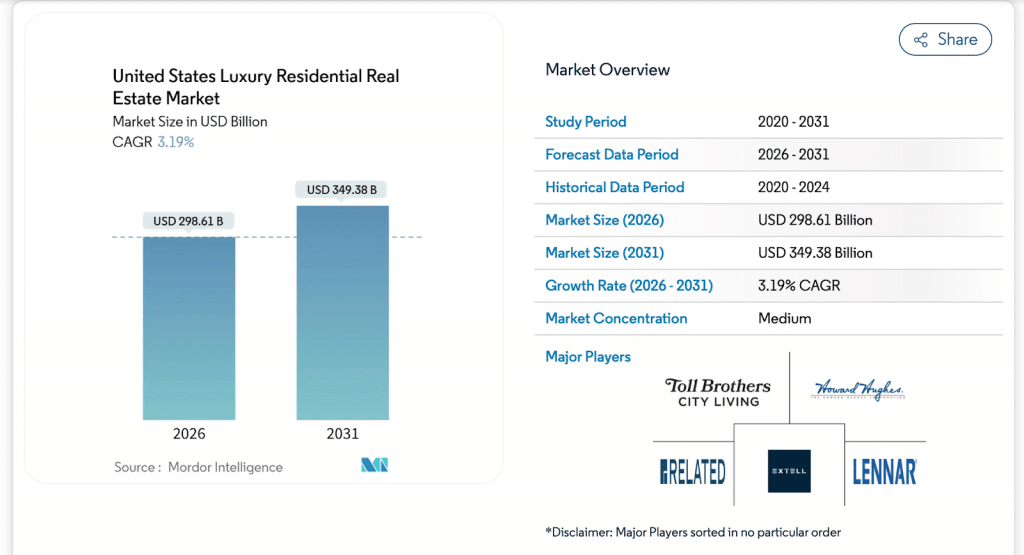
Rather than signaling volatility, early market signals often show how buyers and sellers are adapting to current conditions and adjusting their strategies over time.
How International Buyers Can Navigate Changing Deal Access
Preparation and perspective are becoming key advantages.
As more transactions move through quieter channels, international buyers may benefit from focusing on readiness rather than waiting for ideal headlines. Reviewing underwriting guidelines, documentation timelines, and financing structures in advance, including speaking with a lender about preapproval, can help reduce pressure when opportunities appear. Early preapproval does not commit buyers to a purchase, but it can provide clarity around budget, timelines, and next steps as market conditions evolve.
Institutional participants often prepare well before public momentum returns, and while international buyers operate at different scales, the principle of preparation remains relevant.
To learn more about cross-border financing strategies or speak with a specialist, visit America Mortgages, explore our Contact page, or email the team anytime at [email protected].
Frequently Asked Questions
Q1. What are off-market real estate deals?
A: Off-market real estate deals involve properties discussed or negotiated outside of the MLS (Multiple Listing Service), which is the primary system where most publicly marketed homes appear. These opportunities may arise earlier in the marketing process before a property is broadly listed. You can learn more about how the MLS works here.
Q2. Are off-market deals only for institutional investors?
A: No. While experienced investors often participate, international buyers can access similar opportunities by preparing financing early and working with knowledgeable professionals.
Q3. Why are off-market real estate deals becoming more common?
A: Changing market conditions, inventory constraints, and buyer caution are encouraging sellers and agents to explore quieter transaction channels.
Q4. Does this mean fewer homes are available publicly?
A: Not necessarily. Public listings still dominate the market, but off-market activity shows that transaction methods are evolving.
Q5. How can international buyers prepare for early market signals?
A: Understanding lending programs, timelines, and underwriting guidelines, and getting preapproved early, can help international buyers respond more confidently when suitable opportunities appear. Preapproval provides clarity around budget, documentation, and financing timelines without committing you to a purchase.
Q6. Are off-market deals riskier than traditional listings?
A: They can require more due diligence, but working with experienced professionals and lenders helps ensure transactions remain structured and transparent.
Q7. Do U.S. expats qualify for off-market transactions?
A: Yes. U.S. expats using programs like U.S. Expat Mortgage Loans may participate depending on property type and financial profile.
Q8. What role does financing play in early access to deals?
A: Prepared financing allows buyers to move confidently during negotiations, especially when timelines are shorter.
Q9. Should international buyers focus on off-market real estate deals?
A: Off-market deals are one part of the market landscape. Understanding them simply helps buyers interpret early signals and expand their perspective on access.
Share this article
Ready to get started?
Speak with our U.S. mortgage specialists today and discover your options.
Schedule a call